

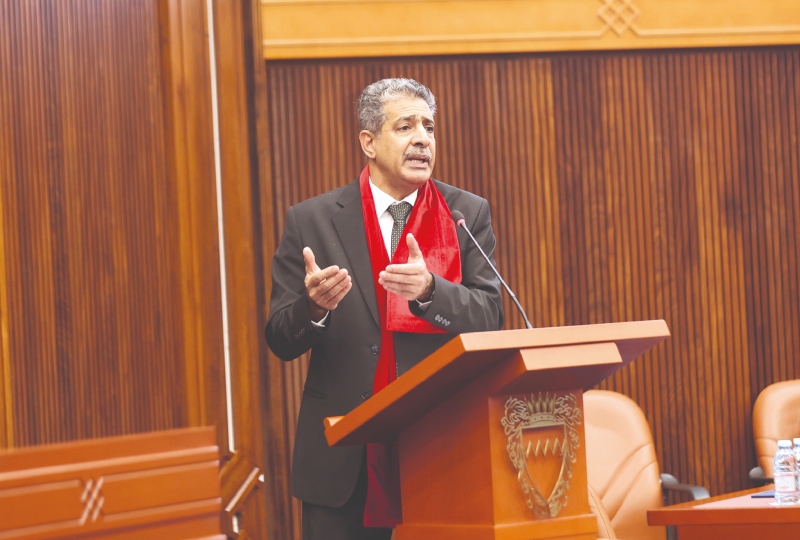
JOBS in the public and private sectors for which a university degree is not essential should be reserved for citizens, legislators have said.
MPs Lulwa Ali Al Rumaihi and Muneer Ibrahim Suroor have submitted a proposal seeking to replace expatriates in such roles with Bahrainis within five years.
They have urged the government to identify such jobs occupied by foreigners in all establishments in an effort to enhance national employment and achieve sustainable development.
“This initiative aligns with Bahrain’s broader strategies to create more job opportunities for Bahrainis and reduce reliance on non-specialised foreign labour,” said Ms Al Rumaihi.
“The proposal to replace expatriate workers in non-degree-required jobs with Bahraini nationals represents a significant move towards achieving economic sustainability and labour market stability,” she added.
“To ensure the successful implementation, a structured plan that includes job training, employer incentives and regulatory oversight will be necessary.”
The Civil Service Commission, responsible for overseeing public sector employment, highlighted that recruitment in the government sector is based on actual needs and job requirements.
“The commission ensures that Bahraini candidates are given priority for employment under Article 11 of the 2010 Civil Service Law,” said chief Shaikh Daij bin Khalifa Al Khalifa.
“However, in cases where no qualified Bahraini applicants are available, non-Bahrainis are hired to fill vacancies,” he explained.
“Additionally, we verify the availability of qualified Bahraini candidates before renewing contracts for expatriate employees.
“Government agencies are also mandated to develop and implement training programmes to prepare Bahraini nationals for various job roles.”
Meanwhile, Labour Market Regulatory Authority chief executive Nibras Talib clarified that the primary mandate, as outlined in Article 4(a) of Law #19 of 2006, is to regulate the labour market in Bahrain.
“This includes issuing work permits, licensing labour supply agencies and recruitment offices and overseeing foreign employers operating in Bahrain,” he said.
“Since the proposal pertains to employment policies and job replacement strategies, it falls off LMRA jurisdiction,” he added.
The Bahrain Chamber acknowledged the objectives of the proposal, but expressed reservations, citing its conflict with an existing joint policy framework developed by the chamber in collaboration with the Shura Council and Parliament.
“This framework includes short-term, medium-term and long-term plans for addressing labour market challenges and increasing Bahraini employment,” it added.
The chamber stressed the importance of a unified approach to labour market reforms to avoid disrupting economic stability.
The General Federation of Bahrain Trade Unions (GFBTU) endorsed the proposal, recognising its potential to curb unemployment and protect Bahraini workers.
It also suggested establishing clear Bahrainisation quotas across different industries and implementing penalties on companies that fail to comply with employment regulations.
The union stressed the need to restrict business licences for companies that do not meet national hiring targets.
The Bahrain Free Labour Unions Federation (Al Hur) also backed the proposal, stressing its legal and regulatory significance in protecting the labour market.
mohammed@gdnmedia.bh
&uuid=(email))