

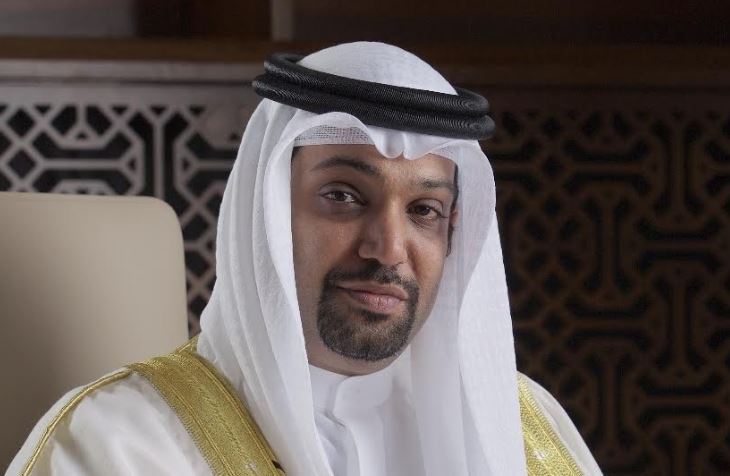
Bahrain has reaffirmed its commitment to global tax reforms with the implementation of a new tax on multinational enterprises (MNEs), said Finance and National Economy Minister Shaikh Salman bin Khalifa Al Khalifa.
He added that the Domestic Minimum Top-up Tax for MNEs would prevent revenue loss and enhance Bahrain’s economic environment by fostering stability and transparency.
Shaikh Salman emphasised the government’s dedication to fiscal sustainability and said the tax would also reinforce the country’s attractiveness as a destination for responsible foreign investment.
The minister’s response comes following a parliamentary enquiry from first deputy speaker Abdulnabi Salman regarding the anticipated impact of the tax on multinational projects operating in the kingdom.
Shaikh Salman highlighted Bahrain’s participation in the Organisation for Economic Co-operation and Development (OECD) Inclusive Framework since 2018, alongside more than 140 countries, including GCC members.
“This initiative is part of global efforts to combat base erosion and profit shifting (BEPS), ensuring that profits are taxed where economic activities generating them take place,” he explained.
“By adopting the OECD’s Pillar Two Model Rules, we are taking a proactive step to uphold international tax fairness, prevent revenue leakage and maintain Bahrain’s reputation as a transparent and co-operative jurisdiction,” Shaikh Salman noted.
Pillar Two establishes a global minimum corporate tax rate of 15 per cent for large multinational companies, applicable to firms operating in multiple countries and earning at least 750 million euros in revenues in at least two of the past four years.
According to Shaikh Salman, around 300 multinational companies operating in Bahrain are expected to fall within the scope of the new law, with projected annual tax revenues of approximately BD130 million.
“Implementing this tax prevents other countries from claiming taxes on profits generated in Bahrain,” he said.
“If we do not apply these rules, we risk losing valuable revenues abroad and undermining our international standing,” the minister warned.
He said the ministry conducted an extensive impact assessment, consulting with the OECD and the International Monetary Fund (IMF) throughout the evaluation process.
Shaikh Salman stressed that the tax would enhance Bahrain’s economic environment by fostering stability and transparency.
“This measure supports our Economic Vision 2030 by contributing to financial sustainability, promoting responsible investment and strengthening Bahrain’s role in global economic co-operation,” he said.
The minister also pointed out that the tax framework offers incentives linked to fixed assets and labour costs, designed to encourage multinationals to expand their operations in Bahrain.
“We deeply appreciate Parliament’s role in safeguarding the nation’s interests and advancing policies that benefit all citizens. We look forward to continued co-operation in building a stronger, more resilient economy,” said Shaikh Salman.
“The introduction of the minimum tax underscores Bahrain’s evolving fiscal policy as it seeks to balance global obligations with national economic goals, positioning the kingdom as both a compliant and competitive investment hub.”
The minister will be present during the weekly Parliament session for further queries from the MP.
MPs are set to hold a retrospective vote on the royal decree concerning this tax law issued by His Majesty King Hamad during the National Assembly recess last year.
They will also vote on two royal decrees issued in 2023 and 2024 to increase the borrowing cap up to BD16 billion and BD18bn respectively. The cap has been increased this year to BD22.5bn as MPs approved the 2025-2026 national state budget at the end of March this year.
Shaikh Salman, who is politically responsible for the Social Insurance Organisation (SIO), will also respond to question by Parliament’s services committee chairwoman Jalila Al Sayed on experts hired for actuarial studies on pension funds.
mohammed@gdnmedia.bh
&uuid=(email))