

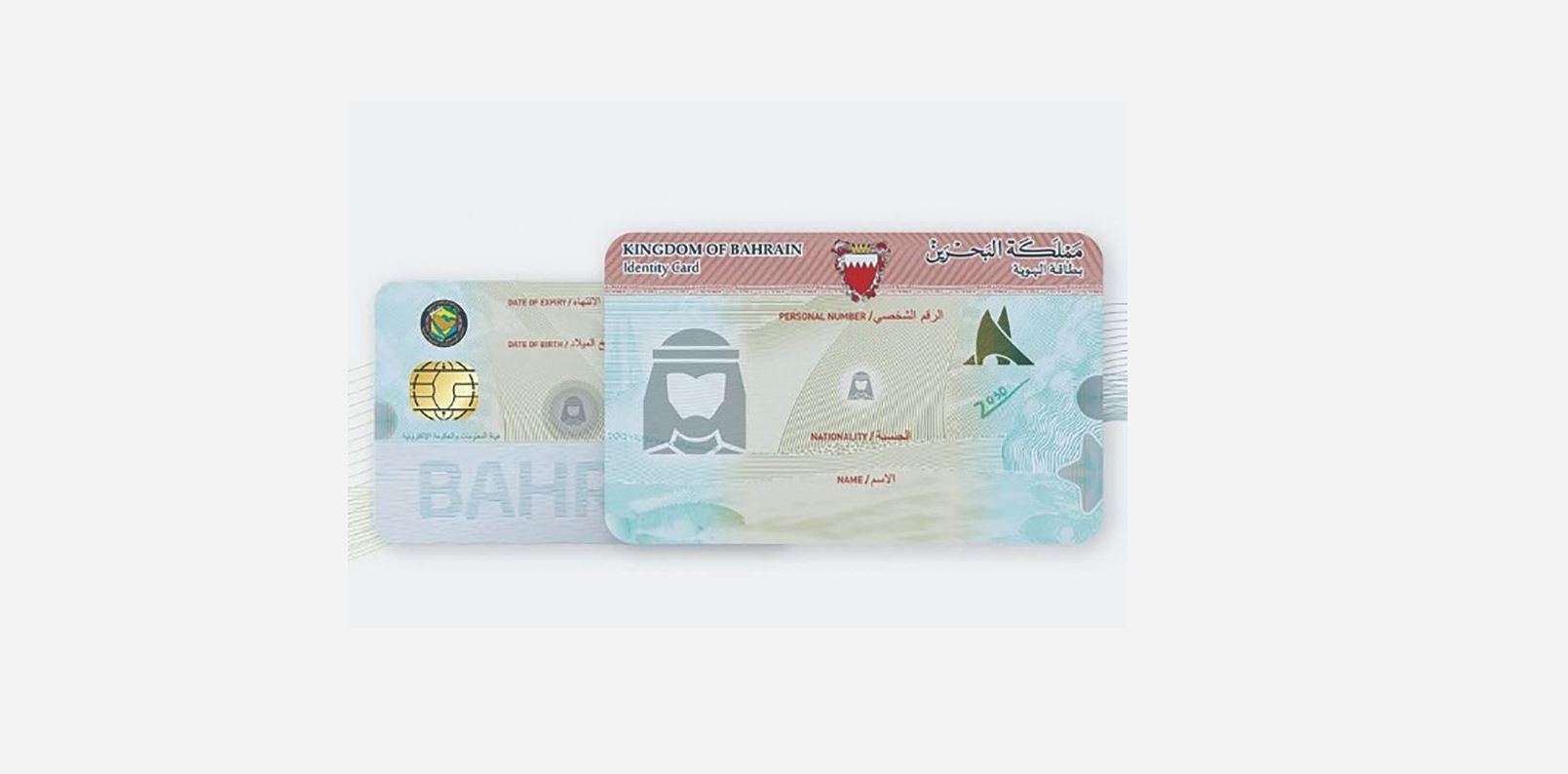
A call has gone out to replace smart card readers following complaints that the latest version of Bahrain’s smart cards were incompatible with key digital and automated systems.
Muharraq Municipal Council chairman Abdulaziz Al Naar, who is spearheading the appeal, said that the technical failure was disrupting the daily lives of citizens and residents alike.
“The new smart cards were introduced with the promise of greater efficiency and security, but, instead, many people are finding themselves locked out of essential services,” he pointed out.
“I have received dozens of complaints from residents who cannot use their cards on automated systems – be it at municipal kiosks, banks or garbage bag vending machines.”
The new smart cards were rolled out in March this year as part of an upgrade to Bahrain’s national identity system. However, several users reported that smartphone and computer applications failed to recognise the updated cards.
Automated readers at banks, municipalities and public service kiosks have also been unable to process the cards, creating bottlenecks for people trying to access routine services.
“Imagine needing to collect your garbage bags, but the machine rejects your card every time,” said Mr Al Naar.
“It’s frustrating, and it’s unacceptable.”
He stressed the need for urgent government action to prevent further inconvenience. “We need a nationwide plan to either reprogramme or replace these card readers as soon as possible.”
Muharraq Municipality director-general Khalid Al Gallaf acknowledged the issue, saying that work was underway to resolve the problem for municipal-related services.
“We are co-ordinating with the relevant authorities to update the systems and ensure compatibility with the new smart cards,” he said.

Mr Al Naar
Mr Al Naar welcomed the municipality’s efforts, but warned that the issue extended beyond municipal systems.
“This isn’t just a Muharraq problem or a municipal issue; it’s affecting banks, telecom providers and other government services across Bahrain. We need a holistic solution, not piecemeal fixes.”
He also called on the Information and eGovernment Authority, which manages Bahrain’s national ID system, to provide a clear timeline and action plan.
“People deserve to know when this will be solved. Transparency is key.”
Residents have taken to social media to voice their frustration, with some reporting they had to make multiple trips to service centres or rely on others to complete basic transactions.
“For now, many are left waiting for an official resolution,” said Mr Al Naar.
He vowed to continue raising the issue in the municipal council and other fora until a comprehensive fix is implemented.
“This is about restoring people’s confidence in public services,” he said. “We owe it to them to make things right.”
The GDN was the first to announce in February that smart cards with added security features were designed based on the latest technologies and international standards.
mohammed@gdnmedia.bh
Top stories for today:
Employee injured in Bapco tragedy dies
Our hearts are with you
Cabinet praises vital role of Press in development
&uuid=(email))