

The latest advancements in obesity treatment and the challenges caused by the disease’s epidemic will be among the key topics discussed at a conference this week.
The two-day ‘Tackling the Obesity Epidemic: Insights for a Healthier Future’, organised by the Arabian Gulf University (AGU), will take place on Thursday and Friday, at the Crowne Plaza Bahrain’s Conference Centre in Manama.
Supreme Council for Health (SCH) chairman Lieutenant General Dr Shaikh Mohammed bin Abdulla Al Khalifa will be present at the event which aims to bring together top local and international medical professionals and speakers to present the latest scientific research and practical solutions to improve weight management and prevent obesity, which affects more than 36 per cent of adults in Bahrain.
Obesity is defined as abnormal or excessive fat accumulation that presents a risk to health, according to the World Health Organisation (WHO).
A body mass index over 25 is considered overweight, and more than 30 considered obese. They both result from an imbalance of diet and physical activity.
The forum is expected to draw a large number of healthcare professionals, nutritionists, students and academics, providing a platform for experts and others to come together to decrease the number of obesity cases.
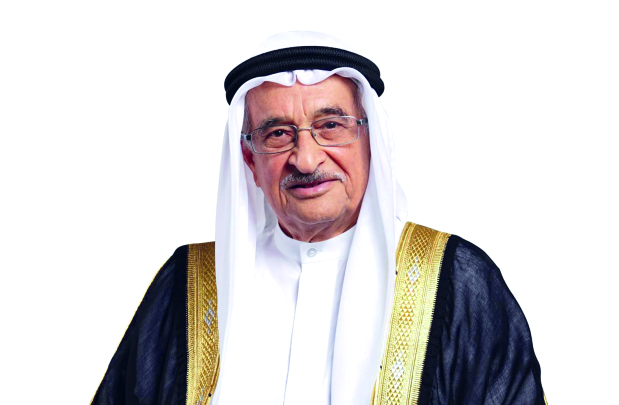
AGU president Dr Saad Al Fuhaid highlighted the importance of the conference in enhancing the quality of life for people in Bahrain.

Dr Al Fuhaid
“The conference serves as a collaborative platform for medical professionals to deepen understanding of how obesity impacts the human body,” he said.
“Leading physicians, consultants, specialists and researchers will convene to exchange and foster the development of innovative therapeutic strategies for obesity management.”
He also stressed the importance of raising more awareness about the dangers of obesity and how to prevent it, pointing out that the disease is more than just a ‘cosmetic concern’; it is a serious health threat linked to chronic conditions such as diabetes, cardiovascular diseases and hypertension.
Conference chairman and College of Medicine and Health Sciences, AGU, internal medicine department head Amjad Albaz noted that the event aims to address one of the most pressing issues in medicine today and come up with solutions on how to tackle it.
“Effective obesity treatment requires an integrated approach of encompassing psychological, nutritional and physical factors to achieve sustainable results,” he said, adding that the event will focus on the need for intensified scientific research and the development of new technologies, including gene therapy and early intervention strategies.
“The agenda will showcase the latest scientific evidence regarding medications and interventional procedures for obesity treatment and expert discussions will feature cross-disciplinary experiences, focusing on obesity’s impact on various organ systems.”
The conference will feature nine sessions, including The Science of Obesity: From Genetics to Disease; Metabolic Disorders: Obesity, Diabetes, and Beyond; Surgical and Laparoscopic Management of Obesity: Current and Emerging Trends; Obesity and Associated Health Disorders; Nutrition and Lifestyle Interventions; Medical Management of Obesity; Combating Obesity in GCC Countries; Impact of Obesity on Women’s and Children’s Health.
The final session will conclude with a presentation of scientific abstracts. The discussions will be moderated by prominent speakers in the field of obesity treatment from various participating countries.
On the sidelines, three workshops will be held, focusing on nutritional management of obese patients, the role of primary healthcare in addressing obesity and basic surgical skills and laparoscopic techniques.
julia@gdnmedia.bh
&uuid=(email))