

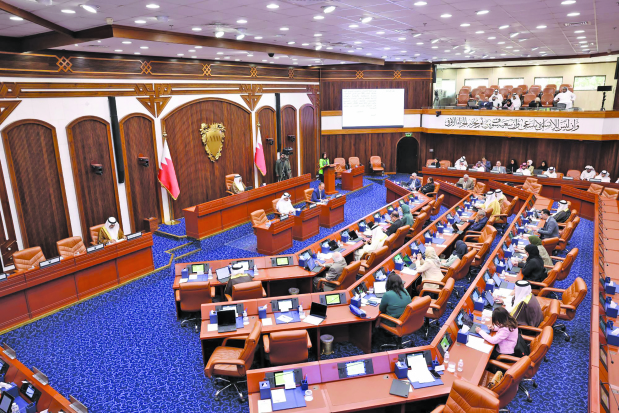
A draft law aiming to regulate artistic professions in Bahrain is set to be voted on during the Shura Council’s final session of the term tomorrow.
The proposed 12-article law, as described by the five members behind it led by Nancy Khadoury, aims to ‘professionalise the cultural sector and bolster national artistic identity’.
It aims to establish a comprehensive legal framework to license artistic activities, support Bahraini artists through an institutionalised fund, and balance the presence of foreign talent in Bahrain’s growing entertainment industry.
The proposed penalties for unlicensed practice include written warnings, suspension of activities, and fines of up to BD100.
“This legislation is about recognising the Bahraini artist – not just as a performer, but as a professional entitled to economic security, institutional support, and national respect,” said Ms Khadoury.
“We are building the legal infrastructure that art in Bahrain truly deserves.”
Under the proposed legislation:
– Artists will be required to obtain licences from the designated minister before practising professions such as acting, singing, dancing, and music.
– Special short-term licences will be granted to foreign visiting artists, subject to ministerial regulations.
– A professional ID card will be issued to licensed Bahraini artists, granting them benefits to be determined by the ministry.
– Fees will be imposed on contracts and concerts involving foreign artists, with provisions for exemptions based on Cabinet approval.
– A new ‘Artistic Professions Fund’ will be created to support and sponsor local artists, headed by the minister and managed by a board of artistic and administrative experts. The fund, as outlined in the draft, will be financed through artist subscriptions, fees collected from foreign performers, donations, and investment returns. Its board will have the authority to develop policies, allocate financial aid and manage the fund’s operations transparently.
“The absence of legal recognition has long denied our artists access to professional guarantees,” said Ms Khadoury.
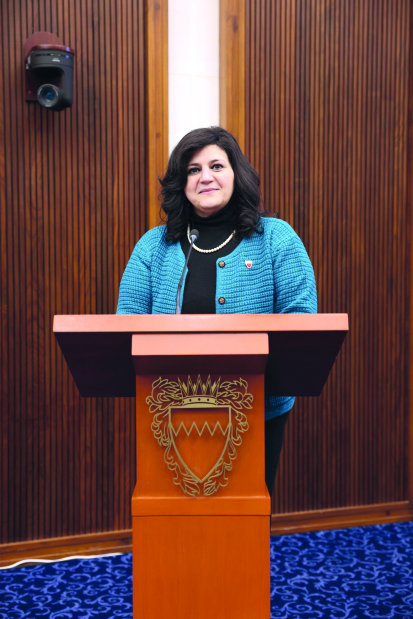
Ms Khadoury
“This law brings economic justice to those who have shaped our national identity through culture.”
Another major theme in the draft law, which Shura members are seeking to refer to the services committee for review, is the prioritisation of Bahraini artists and the regulation of foreign participation.
“We fully welcome artistic exchange,” Ms Khadoury explained. “But, we must also ensure that Bahraini voices are not drowned out. Cultural sovereignty means giving our artists the space and support to thrive.”
The law’s explanatory memorandum links this initiative to several constitutional provisions, including Article 7/a, which commits the state to sponsor the arts and guarantee cultural services to citizens.
“Art is not a luxury. It is a vital instrument of development, education and social cohesion,” said Ms Khadoury.
“This law is not only a protection mechanism – it’s a message that Bahrain values its artists and sees culture as a pillar of progress.”
She stressed that the new law would also enhance Bahrain’s creative economy, provide sustainable livelihoods for artists and raise the standards of professional practice across the board.
If approved by both chambers, the law will come into force three months after its publication in the Official Gazette following His Majesty King Hamad’s ratification.
Supporters of the law believe it would fill a long-standing legislative gap in the cultural sector and align Bahrain with international standards of creative rights and regulation – particularly as it builds on prior commitments like the WIPO Performances and Phonograms Treaty and the Copyright Law of 2006.
“We urge our colleagues and the public to view this law as a national investment. The artist is a mirror to our society, it is time we honoured that reflection with dignity, structure and pride,” said Ms Khadoury.
mohammed@gdnmedia.bh
&uuid=(email))