

The Shura Council is set to vote on a royal decree law to impose a Domestic Minimum Top-Up Tax on Multinational Enterprises (MNEs) operating in Bahrain.
The decree issued by His Majesty King Hamad in August 2024, was unanimously approved by MPs on Tuesday.
It aligns Bahrain with international tax reforms spearheaded by the Organisation for Economic Co-operation and Development (OECD), especially the global minimum tax initiative aimed at preventing base erosion and profit shifting (BEPS).
Under this new law, a 15 per cent minimum tax will be imposed on qualifying multinational projects or entities with a significant global revenue threshold, ensuring that these businesses contribute fairly to the domestic economy.
According to the financial and economic affairs committee, the issuance of this law was part of urgent measures to:
– Enhance the sustainability of public revenues and identify new sources of financial resources.
– Secure funding to meet the growing public expenditure, particularly as the government expands infrastructure and development projects.
– Address the budget deficit and promote fiscal and economic stability.
– Ensure fair and effective distribution of the benefits of economic growth and support the broader goals of sustainable development and social justice.
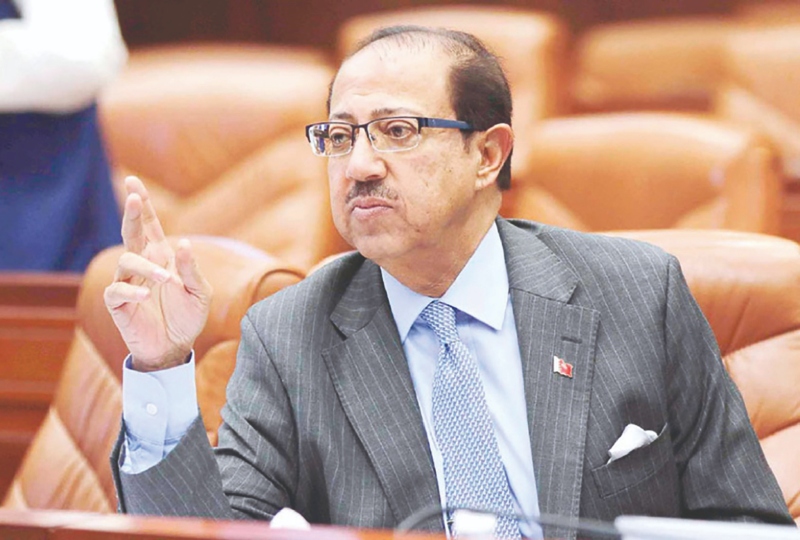
Committee chairman Khalid Al Maskati emphasised the urgency and necessity of the decree.
“This law ensures Bahrain remains an active player in the evolving international tax framework. If we don’t impose these taxes, multinationals will pay them elsewhere, and Bahrain will lose a crucial revenue stream,” he said.
“This tax does not only fulfill our international obligations under the OECD framework, but it also allows us to retain revenues from activities conducted within our borders. It is a strategic tool to finance vital infrastructure and services.”
Bahrain joined the OECD’s Inclusive Framework on BEPS in 2018, along with more than 140 countries, including GCC states.
The annual revenue from the new tax is estimated at BD130 million, according to the government.
The committee confirmed that the decree was issued in accordance with Article 38 of the Constitution, which allows the King to issue laws during parliamentary recesses in urgent cases.
The decree law contains comprehensive provisions governing the new tax, including its scope of application, calculation mechanisms, dispute resolution procedures and administrative and criminal liabilities.
Notably, the legislation refers to ‘projects’ rather than just ‘companies’, ensuring broader coverage beyond corporate structures. This means any legal entity conducting qualifying activities and meeting the revenue threshold must comply with the law and pay the 15pc minimum top-up tax.
The committee highlighted that implementing a domestic top-up tax enhances transparency and Bahrain’s global reputation as a credible investment destination.
Without an effective tax system and legal tools to avoid double taxation, Bahrain could lose its competitive edge, Mr Al Maskati said.
“This law is a critical step in reinforcing Bahrain’s position as a transparent, rules-based jurisdiction. It strengthens our legal infrastructure and ensures long-term economic resilience,” he added.
Shura Council members are set to vote on a mutual taxation agreement with Oman and a mutual investment agreement with Republic of Korea.
They will also vote on seven reports on members’ participation in events abroad.
&uuid=(email))