

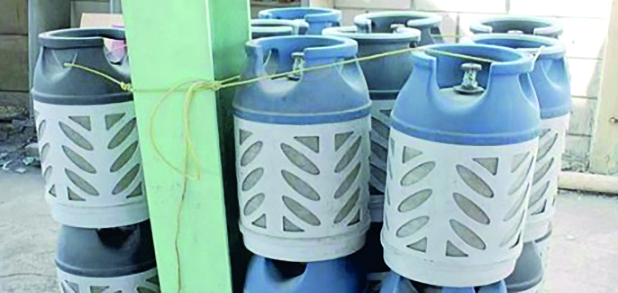
A technical study into the feasibility of replacing traditional metal gas cylinders with modern fibreglass alternatives has been launched by the Industry and Commerce Ministry.
In an official letter addressed to the Muharraq municipal council which proposed the initiative in February, Under-Secretary Eman Al Dossary confirmed that the ministry has already taken preliminary steps to assess the safety and regulatory implications of the transition.
“We would like to begin by thanking you and the members of the Muharraq Municipal Council for this important proposal,” she said in the letter.
“The ministry’s Inspection and Metrology Department has already conducted a preliminary review of the legislation and technical specifications related to gas cylinders used across the GCC countries.”
According to Ms Al Dossary, the study is being carried out in collaboration with several regional and local technical committees, including the Gulf Technical Committee for the Mechanical Specifications Sector, the Gulf Technical Committee for the Oil and Gas Specifications Sector and Bahrain’s own local technical committee for oil and gas standards.
.jpg)
Ms Al Dossary
She added that specialised partners, including the Interior Ministry’s Civil Defence, have already participated in safety tests for fibreglass cylinders.
“Once the study is ready, you will be invited to attend a joint committee’s session to discuss the proposal and its recommendations,” she said in the letter.
The push for safer gas storage solutions gained urgency following a tragic cylinder explosion that destroyed a two-storey residential building in Arad in February, killing two people and injuring six others.
The proposal to phase out metal gas cylinders and replace them with fibreglass alternatives was spearheaded by Muharraq municipal council’s financial, administrative and legislative committee chairman Ahmed Al Meghawi, who also represents Arad.

Mr Al Meghawi
“The tragic incident in Arad is a wake-up call for us all,” said Mr Al Meghawi. “We must take decisive steps to prevent similar disasters in the future.”
He emphasised that fibreglass cylinders present a safer and more efficient solution for domestic and commercial gas usage.
“It’s time we prioritise public safety over outdated infrastructure,” Mr Al Meghawi stressed.
“We need a structured plan to gradually phase out metal cylinders while ensuring that fibreglass alternatives are affordable and accessible to all households.”
If adopted, Bahrain would join several countries in the GCC that have already transitioned to fibreglass cylinders for improved safety and efficiency.
Mr Al Meghawi also called for public awareness campaigns to educate residents on the proper use and benefits of the new system.
“Public awareness campaigns will be crucial to educate people on the benefits and proper handling of fibreglass cylinders,” he said.
“With the support of the Industry and Commerce Ministry and co-operation from key safety bodies such as Civil Defence, Bahrain is now taking its first step towards what could be a significant transformation in household and industrial gas safety.”
mohammed@gdnmedia.bh
&uuid=(email))