

A significant rise in the number of calls received on two leading support group helplines is signalling increased awareness among members of the expatriate community.
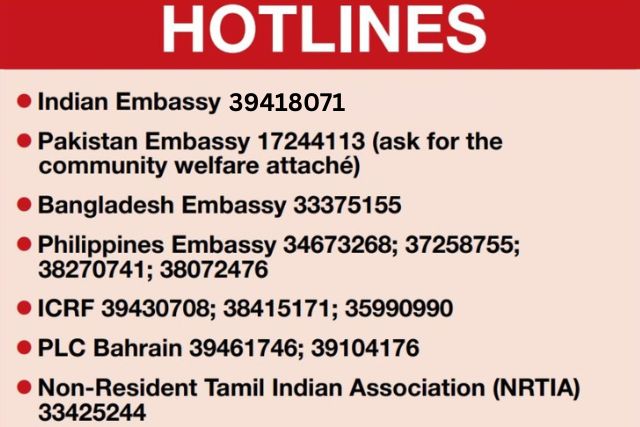
More and more people have been reaching out to the Indian Community Relief Fund (ICRF) and the Pravasi Legal Cell (PLC) Bahrain Chapter for support and guidance.
ICRF, which has three helplines, has registered a substantial spike in the number of calls since the Covid-19 pandemic.
“We used to receive around 50 calls per month before the pandemic but that number has since risen to 120,” ICRF adviser to the board and ICRF Life co-ordinator Dr Babu Ramachandran told the GDN.
“People are now increasingly aware about local helplines and reach out to seek legal advice, guidance on visa issues, health support, family or marital intervention and help with repatriation. There have been many cases of depression as well,” he added.
During and after the pandemic, the mental health of several people, including expatriates, was affected due to the stress of not finding a job after being laid off, financial issues, unpaid loans, residency status and medical issues, among others.
According to a GDN report during the pandemic, 40 per cent of those who took part in a Bahrain study on the mental health impact of the pandemic suffered from depression.
ICRF LIFE (Listen, Involve, Foster, Engage) was formed to support individuals who were facing emotional distress and challenges. ICRF helplines and Gatekeeper training workshops – teaching participants on how to identify those at risk of suicide and equipping them with intervention skills – are part of this initiative.
Dr Ramachandran revealed that the ICRF could also set up a youth wing, given that a number of students have expressed interest in joining the group’s outreach programmes.
“As part of our many initiatives, we also provide food rations. We have received calls requesting for food grains and try to provide two weeks’ worth of rations after verifying the address and ensuring that the kits go to the caller,” said ICRF president VK Thomas.
“ICRF conducts many campaigns at labour camps to educate workers about their rights and other relevant topics like health. Such awareness initiatives have definitely led to more people calling us for help.”
Highlighting a shift in worker mindset, PLC Bahrain president Sudheer Thirunilath attributed it to rising awareness and stricter regulation.
“Stranded expatriate cases are declining, largely due to stricter LMRA inspections and employers no longer interested in hiring illegal workers due to fine and legal issues,” he said.
“Many undocumented workers now recognise that staying without valid papers is no longer an option, leading to more of them voluntarily opting for repatriation. Unlike in previous years, many expatriates now express a strong desire to return to their home countries rather than remain in uncertain or exploitative conditions.
“Majority of the calls are regarding non-payment of salaries, withholding of passports by employers, runaway cases, illegal working status issues linked to LMRA enforcement, and indemnity issues and end-of-service benefits.
“Domestic worker cases have reduced and visit visa overstay cases are comparatively few; however, the problem of agencies making false promises to individuals about work prospects continue.”
Mr Thirunilath said that there has been a noticeable increase in natural deaths, especially cardiac-related incidents among expatriates aged under 40.
Dr Ramachandran said that a ‘laidback’ attitude is a cause of concern, which is evident from the health-related calls received on the ICRF helplines.
melissa@gdnmedia.bh
&uuid=(email))