

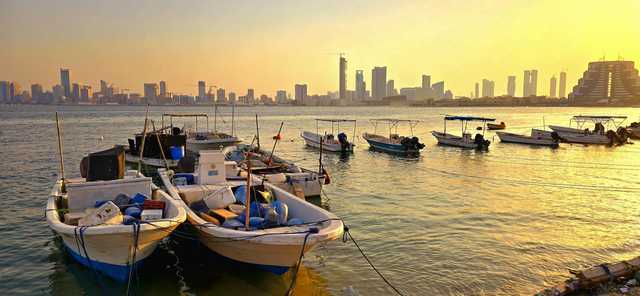
A study by the Fishermen’s Society has concluded that the bycatch associated with shrimp fishing is limited to only seven per cent total fish production in Bahraini waters.
Accordingly, the society called for a reassessment of the total ban policy, suggesting a balanced approach between protecting the ecosystem and driving economic growth.
It also called for regional collaboration in fisheries management and benefiting from the global success stories in this field.
These insights were presented during a seminar held by the society yesterday under the title ‘Shrimp Fisheries in the Westren Arabian Gulf in Six Decades’ which addressed the effects of shrimp fishing on fish wealth in Bahrain.
Researcher Dr Ibrahim Abdulrahim noted during the study that most fish species caught alongside shrimp are known for rapid reproduction and abundance in the Gulf. He pointed out that only one species, which is ‘the amuslag’ is notably affected by bycatch, while other species, such as safi and sheri remain within an acceptable fishing level. He also said that the bycatch is way below the international standards.
Despite these findings, which indicate a limited environmental impact, Bahrain imposed a complete ban on bottom trawling (karaaf nets) in 2018. This decision led to a complete halt in the national shrimp fishing fleet, resulting in major economic and social consequences for those working in the sector, and a significant increase in illegal fishing – without recording any tangible improvement in fish stocks as expected, he said.
&uuid=(email))