

India is a land where ancient traditions and modern innovation meet, creating an experience unlike anywhere else on Earth.
Whether you come seeking spirituality, natural beauty or a taste of vibrant city life, the Southern-Asian country welcomes you with open arms and a thousand stories waiting to be told.
As the seventh largest country and one of the oldest civilisations, India stands apart from the rest of Asia.
Some of the landmarks in the country include:
Red Fort
Build by Mughal Emperor Shah Jahan in the mid-1600s in Delhi, the fort served as the primary residence of the Mughal emperors and is now a major tourist attraction and a Unesco World Heritage site. The fort is widely known for its massive red sandstone walls.

Red Fort
Qutab Minar
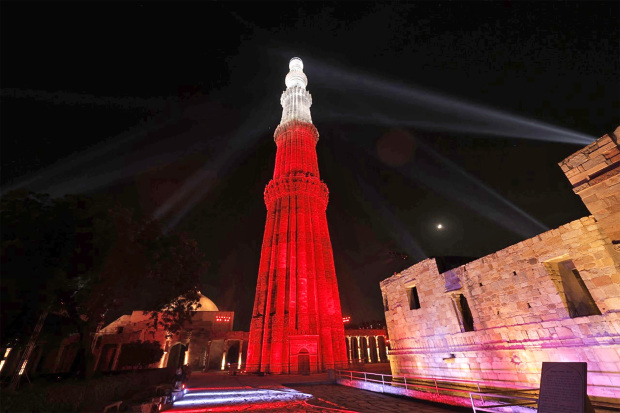
Standing at 72 metres high, it is the tallest masonry tower in India, situated at the site of Delhi’s oldest fortified city Lo Kot, founded by the Tomar Rajputs. The monument, constructed from red and buff sandstone in the 12th century, features intricate carvings design and projecting balconies.
Kaziranga National Park
Famous for being home to the world’s largest population of Indian one-horned rhinoceroses, the park is a Unesco World Heritage site and a tiger reserve. It also boasts a significant population of elephants and other wildlife.
Hoysaleswara Temple
The 12th-century Hindu temple is dedicated to the God Shiva. It is the largest monument in Halebidu, a town in the state of Karnataka, India, and the former capital of the Hoysala Empire. The temple was built on the banks of a large man-made lake, and was constructed around 1121CE and was completed in 1160CE.
Nohkalikai Falls
At 340 metres, Nohkalikai Falls, in Meghalaya, is known as the tallest plunge waterfall in the country and the fourth highest in the world. Located between the evergreen forest of Khasi, it is one of Meghalaya’s most popular tourist destinations.

Nohkalikai Falls
Badami Cave Temples
Located in Badami, a town in the Bagalkot district in Karnataka, the cave temples are a complex of Buddhist, Hindu and Jain cave temples. They are an incredible testament to the region’s long and vibrant cultural and artistic history, meticulously carved from vibrant red sandstone rocks. They are also important examples of Indian rock-cut architecture, especially Badami Chalukya architecture.

&uuid=(email))