

A BAHRAINI sickle cell disease (SCD) advocate will take part in an international conference later this year to share his expertise on improving the management of the condition, which affects around 8,500 people in the kingdom.
Bahrain Sickle Cell Society Chairman Zakariya Al Kadhem will moderate the 3rd International Congress on SCD and other Inherited Blood Disorders, being held virtually in Canada on November 3 and 4.
The event, organsied by Global Action Network for Sickle Cell and Other Inhereted Blood Disorders, will bring together healthcare experts, professionals, patients, families and advocates from around the world to exchange knowledge and expertise to strengthen the global fight against the disease.

Mr Al Kadhem
Mr Al Kadhem told the GDN that, with Bahrain being a ‘centre of excellence’ in managing SCD, he hopes to help other professionals and countries replicate the kingdom’s positive outcomes.
“SCD is a serious global health issue that takes away a lot of resources from countries,” he explained.
“In Africa, around 75 per cent of children born with the condition die before the age of five, while in Bahrain people with SCD now live to an average age of 65, with some reaching their 90s.
“There are still many challenges to address, and I believe the solution lies in teamwork. Managing this disease is not just about prescribing a drug – it relies on a multidisciplinary approach involving healthcare professionals, scientists and patients.”
He pointed out that Bahrain has introduced a range of policies involving ministries such as Education, Health and Labour, while also consulting both medical professionals and patients to gain a comprehensive understanding of the issue.
“Bahrain has become the centre of excellence in the region because leaders were eager to implement a plan to help its people,” he said, adding that he hopes to share his expertise with other professionals during the conference.
“The kingdom has already reached a high level, and it is time for other countries to follow. I now attend many conferences around the world to share valuable information and help others on this journey,” he said.
Mr Al Kadhem has held talks in countries including Saudi Arabia, Spain, the UK and more.
“The sessions in this conference will be held in various languages so that language barriers don’t stop people from attending,” he said, adding that some of the topics of the 14 sessions include gene therapy and stem cell transplantation, strategies to strengthen healthcare systems in low-resource settings and regional advocacy planning and industry collaborations.
“To manage this disease properly, it takes a collective effort. Doctors and patients cannot work alone to do this,” he said.
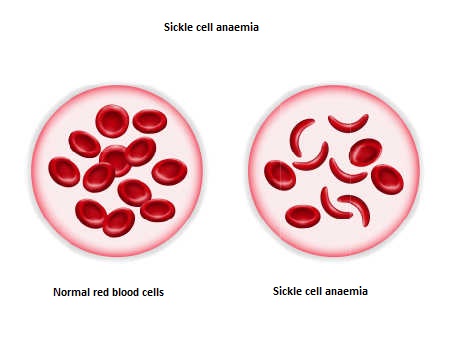
SCD is a genetic condition that results from mutations in the gene holding the information to produce the beta-chain of haemoglobin (the molecule in our body that carries oxygen through the body). The disease leaves patients prone to a number of acute and chronic health problems such as infection, attacks of severe pain known as ‘sickle-cell crisis’ and stroke.
In 2023, Bahrain successfully raised the average age of an SCD patient to 65, and approved a new medication that can be used to treat the condition from the age of five.
In addition, the Bahrain Oncology Centre (BOC) became one of the first centres in the world to offer ground-breaking CASGEVY (exagamglogene-autotemcel or ‘exa-cel’) gene therapy to SCD and transfusion dependent thalassemia.
This achievement followed the BOC’s successful accreditation, recognising its adherence to international standards for bone marrow transplant and cell therapy services.
For more information on registration, visit @iblooddisorders on Instagram.
julia@gdnmedia.bh
&uuid=(email))