

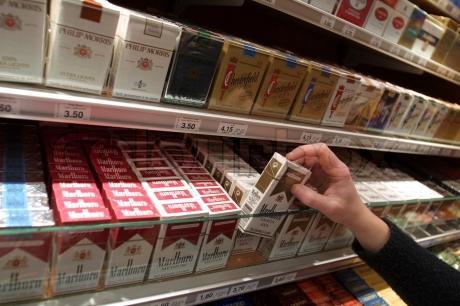
Grocery stores and retail shops witnessed an increased sale of cigarettes and tobacco ahead of implementing the tax from noon today, according to reports in Al Riyadh newspaper.
The announcement was made by the General Authority for Zakat and Tax (GAZT), in compliance with the decision which was taken by the GCC General Secretariat on May 23.
A 100% tax will be imposed on tobacco products and energy drinks, as well as a 50% levy on carbonated beverages. Importers of goods subjected to the VAT tax are required to register online on the GAZT portal.
Traders were also urged to start declaring their stocks of goods subjected to the tax for the transitional period from today and pay the dues within 45 days to avert any penalties or fines.
Common tobacco brands are no longer available in several stores while the retail activity of soda and energy drinks, which have been also taxed, was not greatly affected.
Popular coffee shops bought huge amounts of ‘mu‘assel’, a syrupy tobacco mix, during the past weeks and stored them in order to benefit after the tax is imposed.
Some have said that wholesale sales of these drinks has been suspended and rationed.
The prices of popular carbonated drinks, commonly used by a cross-section of people including children, will rise by 50 percent. The 330 ml can (container) which is sold now at SR1.50 will be priced SR2.25 from today when the levy comes into force.
Business sources say that not only the prices of soft drinks such as Pepsi or Coca-Cola but also those of energy drinks like Code Red, Bison and Red Bull will be affected by the implementation of the tax.
For instance, the price for a 250 ml can of Code Red will be doubled from SR2 to SR4. Other popular energy drinks, such as Red Bull, will be available for around SR10-12.
The Kingdom is the largest consumer of soft and energy drinks in the Middle East region.
The GCC represents a $8.4 billion soft drinks market, from which Saudi Arabia leads in the region with 68 per cent of sales.
