

BAHRAIN has been ranked first among Gulf and Arab countries in a new index that measures a nation’s investment in education and healthcare.
It was listed 47th globally in the Human Capital Index, which ranked 157 countries, ahead of the UAE (49), Oman (54), Qatar (60), Saudi Arabia (73) and Kuwait (77).
Singapore topped the index, followed by South Korea and Japan, while poor African countries fared the worst in the rankings, with Chad and South Sudan taking the two lowest spots.
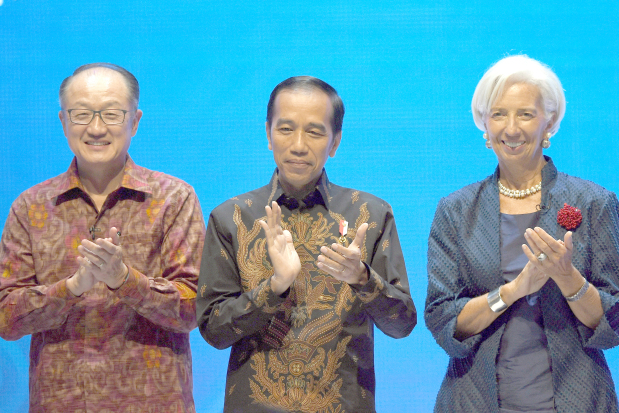
The World Bank Group unveiled the new index yesterday at the World Bank and International Monetary Fund annual meetings on the Indonesian island of Bali.
The index measures the amount of human capital a child born today can expect to attain by age 18, given the risks of poor health and education that prevail in the country where he or she lives.
The global institution defined human capital as a person’s knowledge, well-being and skills accumulated over a lifetime.
The survey stated that in Bahrain the mortality rate of children aged under five is 0.99 per cent, with zero prevalence of stunting and expected years of school at an average of 13.3.
Besides, 67pc of Bahrainis today can expect to achieve full productivity and earnings potential by the time they turn 18, according to the report which put the earning potential in Singapore at 88pc.
“Bahrain’s leading position in Gulf and Arab countries in the Human Capital Index is a result of policies that focus on healthcare and education,” Finance Minister Shaikh Ahmed bin Mohammed Al Khalifa said in a statement.
“Bahrain was first among the Arab countries and 47th of 157 states worldwide.
“The wise leadership is committed to continue investing in citizens, education and healthcare as key to sustainable development.”
The index showed that 56pc of children born today across the world will lose more than half of their potential lifetime earnings because governments are not currently making effective investments in their people to ensure a healthy, educated and resilient population.
“For the poorest people, human capital is often the only capital they have,” said World Bank Group president Jim Yong Kim.
“Human capital is a key driver of sustainable and inclusive economic growth, but investing in health and education has not received the attention it deserves.
“This index creates a direct line between improving outcomes in health and education, productivity and economic growth.”
The Washington-based development organisation said in countries like Azerbaijan, Ecuador, Mexico and Thailand, children born today would be 40pc more productive as workers in the future if they had access to complete education and enjoyed full health.
The index is included in the forthcoming World Development Report 2019 on the Changing Nature of Work which addresses the importance of investing in human capital to prepare for the future of work.
sandy@gdn.com.bh
&uuid=(email))