

AN investigation has been launched to check if two banned medical products are still being sold in Bahrain.
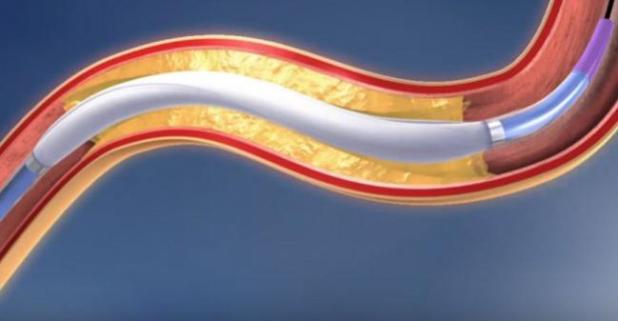
This comes after the UAE yesterday banned taclitaxel-coated balloons and paclitaxel-eluting stents due to non-compliance with standards set by the GCC Health Council.
The UAE action followed an increase in the rate of deaths among patients who used these products to treat peripheral arterial diseases.
Peripheral arterial disease is a common circulatory problem in which narrowed arteries reduce blood flow to the limbs.
Bahrain’s health watchdog had already issued a warning against the use of one of the devices in 2017, according to a top official.
“We are currently investigating and checking the market to check on the availability of taclitaxel-coated balloons and paclitaxel-eluting stents,” National Health Regulatory Authority (NHRA) chief executive Dr Mariam Al Jalahma told the GDN yesterday.
“In 2017, we had issued a warning against the use of taclitaxel-coated balloons.
“In connection with the ultra-sound paclitaxel-eluting stents we are currently investigating to see if it is available in Bahrain.
“If anyone is selling it, then we will withdraw it from the market in Bahrain.”
In December last year, the US Food and Drug Administration had issued a letter alerting physicians that it was evaluating a signal of increased late deaths among patients with femoropopliteal artery disease treated with paclitaxel-coated balloons and stents that was documented in a recent study.
In the peripheral artery disease, extremities – usually legs – don’t receive enough blood flow to keep up with demand. This causes symptoms, most notably leg pain when walking.
The disease is also likely to be a sign of a more widespread accumulation of fatty deposits in the arteries. This condition may be reducing blood flow to the heart and brain, as well as legs.
Meanwhile, the UAE Ministry of Health and Prevention has also issued a circular warning against the danger of using ‘Cleanline-Ultrasound Gel Sanitizer ‘ which is manufactured in Saudi Arabia.
According to the circular, lab analysis revealed a ‘very high rate of cell toxicity’, which makes it inadequate for medical use.
noorz@gdn.com.bh
&uuid=(email))