

Those of us unfortunate to sweat our way through June in Bahrain will not be surprised to hear that last month was the hottest June on record, ‘Hottest June in 117 years!’ (GDN, July 9).
Bahrain is constantly breaking new heat records – and unbelievably there are still some people who claim climate change is a myth.
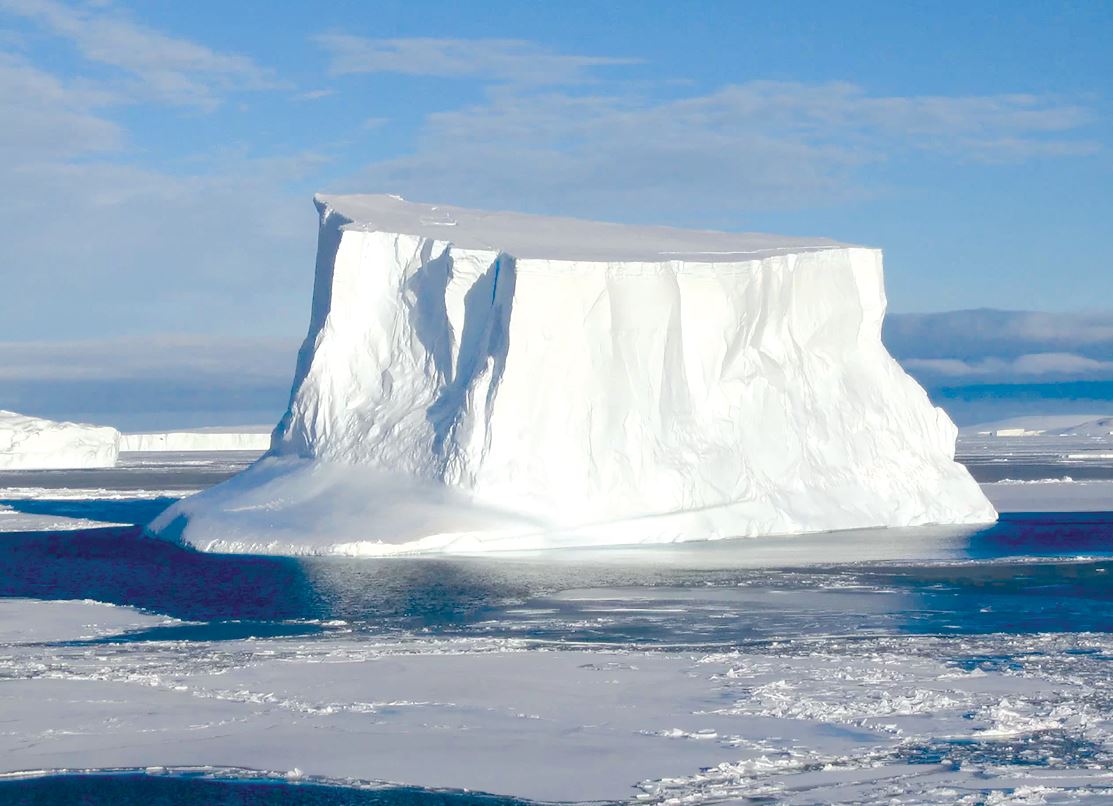
For years Antarctica has been held up by climate change sceptics as proof that the planet isn’t really warming. While the Arctic’s ice has been melting for decades, the opposite has been true of Antarctica. Its surrounding sea ice actually increased between 1979 and 2014. Yet an analysis of 40 years of satellite observations shows that this situation has gone into reverse: between 2014 and 2017 an area of sea ice larger than Mexico has disappeared.
Indeed, the Antarctic is melting at a faster rate than the Arctic. It has lost as much sea ice in four years as the Arctic did in more than three decades, wiping out the previous 35 years of increases.
It is an astonishing and alarming drop. The study published in the PNAS journal found that in 2016 atmospheric carbon dioxide levels rose above 400 parts per million, contrasting with the pre-industrial level of 280ppm. The last time they were this high, sea levels were 20 metres higher.
When ice sheets melt on land, the sea level rises. But Antarctica’s sea ice is already in the water so its melting won’t cause sea levels to rise. But other dangers remain. First, melting sea ice risks triggering a vicious spiral. Bright white sea ice reflects the sun’s radiation. When it melts, it leaves dark water behind. This absorbs more of the sun’s heat, causing even more ice to melt. Rising water temperatures around the world are already killing off coral reefs and marine ecosystems upon which fish populations and people depend.
Second, a warmer Antarctic could have a devastating impact on the continent’s own wildlife. Antarctica is home to a variety of sealife, including dolphins, seals and penguins. An unstable Antarctic could disrupt the habitats and habits of these creatures.
Further, satellite data from Brazil has shown that an area of Amazon rainforest about the size of a football pitch is now being cleared every minute. Like our planet’s ice caps, the rainforest plays a vital role in controlling the pace of climate change. The Amazon is also the richest home to biodiversity on the planet. Its decline, like that of the Antarctic, is everyone’s problem.
&uuid=(email))