

APPLYING new methods of composting using worms along with utilising reusable plastics could help Bahrain in reducing its waste.
While a ban on single use plastic bags is being rolled out in the country, Bahrain-based environmentalist and engineer Kai Miethig said there were still three other major contributors to plastic waste that need addressing; single-use cups, straws and bottles.
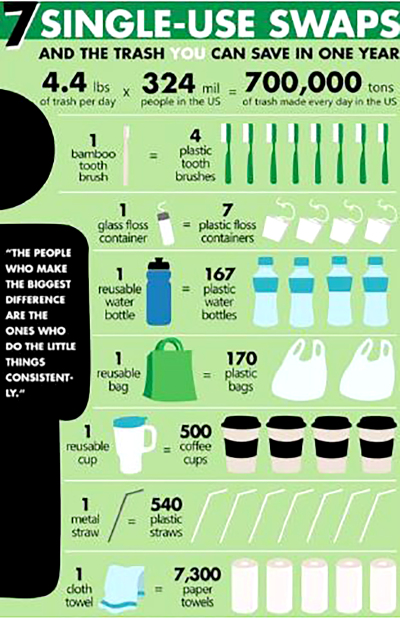
He explained that switching to reusable water bottles could save 167 plastic water bottles, one metal straw is equal to 540 plastic straws, one reusable cup prevents waste generated by 500 coffee cups, and one reusable bag prevents 170 single use bags from being thrown away.
He was speaking yesterday at a talk on ‘Plastic: A Blessing or a Curse’, which was held at the Oasis Training Centre in Budaiya.
“There are many benefits to doing little steps, like using your bag when going shopping, using your own bottle, using your own straw when you go out, and using your mug when you go to a coffee shop – these are little things you can carry in your handbag that can make a difference,” said Mr Miethig.
Bahrain has already banned the production of single-use plastic bags and import of non-biodegradable plastic bags, which will come into effect this month.
Permanent
It will later be extended to include a permanent ban on plastic bags at malls and supermarkets, a decision that has been warmly welcomed by environmentalists.
Mr Miethig also suggested using worms in composting to get rid of food waste such as peels, from fruits and vegetables, to reduce food waste in a sustainable and useful way as it can generate good soil.
“Composting is actually a very old method of converting waste,” he said.
“When you have orange peels or banana peels or food waste like rice, all this is natural that can be composted and will biodegrade either by nature when we mix it with soil or we support it by putting some worms with the green cuttings, and these things will be converted into good soil.
“That soil can be used as good fertiliser that can be used for flowerpots, for a garden if you want to do some farming on your rooftop – there is a misconception that composting is smelly but it is not if you do it properly with some peels, root cuttings, some real soil and worms, you mix it and there won’t be any smell.”
Bahrain’s households typically dispose of 5,500 tonnes of waste on an average every day – of which 65 per cent is organic, mainly food.
The Northern Governorate alone recorded a rise of more than 41.7pc in domestic waste between 2015 and 2018, from 98,200 tonnes to 139,182 tonnes.
The GDN previously reported that the Hafeera landfill in Askar currently receives 1.77 million tonnes of waste per year.
ghazi@gdn.com.bh
&uuid=(email))