

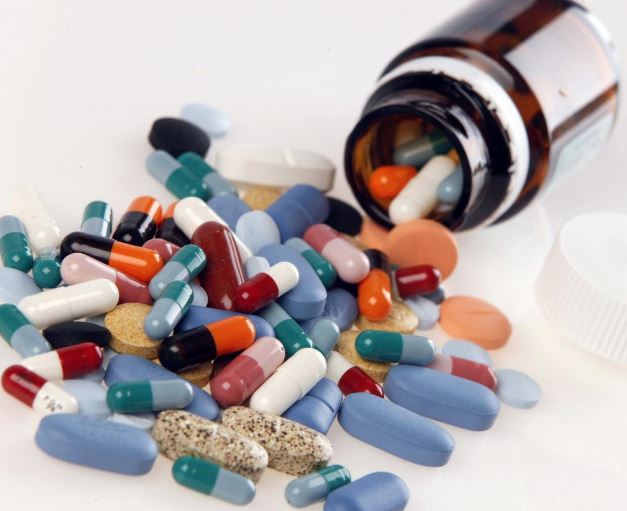
HEALTH regulators in Bahrain are tightening control on the online sale of unlicensed medical products such as counterfeit drugs and fake devices.
The sale of medications and medical devices in the country, along with monitoring clinical trials, laboratory analysis and drugs warnings will be tackled by a new agreement that was signed yesterday between Bahrain’s National Health Regulatory Authority (NHRA) and Saudi Arabia’s Food and Drug Authority (SFDA).
The agreement will aim to regulate the online sale of such products and also ease procedures for the private sector to boost investment.
It was signed by NHRA chief executive Dr Maryam Al Jalahma and her Saudi counterpart Dr Hisham bin Saad Al Jadhey during a ceremony held at the NHRA headquarters in Seef.
“The main thing about signing this agreement is that the responsibility vested on the authorities is huge and co-operation will help us do better in our roles as regulators,” Dr Al Jalahma told the GDN.
“Medical device regulation is something new to people and they are not aware of fraud medical devices that are present in the market.
“This ranges from laser to facial massage equipment and even clamps used for surgeries, which are among the fake products that we have confiscated – we have found the certificate the agent produced were falsified or expired.
“This agreement will also help us to learn from the Saudi experience, which is a bigger market.
“As part of the deal both the agencies have access to each other’s online systems, so there will be more clarity in products that are entering in terms of their safety and quality.”
Dr Al Jadhey, meanwhile, said the deal will open communication lines between both authorities which will in turn help the public with easier access to safer medicines, devices and health products.
He said one of the key aspects of the agreement was to monitor violations in terms of counterfeit drugs and medical devices entering both countries.
“A major clause of this agreement is that we will work together to prevent online advertisements for selling medical products illegally, including medical devices,” he said.
“The effort has been ongoing as separate entities, but with this agreement we aim at better results.
“This agreement will open communication channels which will help in dealing with the risks involved in this field through sharing of expertise and networking.
“The deal also underlines the need for enhancing our inspections of manufacturers and other entities with regards to quality.”
He explained that the agreement will also help the private sector in both countries by facilitating the service centres and enabling them access to both markets.
“It is more about sharing data and information between the two authorities and focusing more on regulatory segments,” he added.
“We have collaborations with other GCC countries, but in terms of an agreement in co-operation with SFDA, this is our first agreement with any GCC country.”
As part of the agreement, regular workshops and training sessions will also be held in order to improve the abilities of both entities as regulators.
raji@gdn.com.bh
&uuid=(email))