

Bahrain: Some expats are cheating Bahrain’s immigration system by faking court cases so they don’t have to leave the country, according to a senior government official.
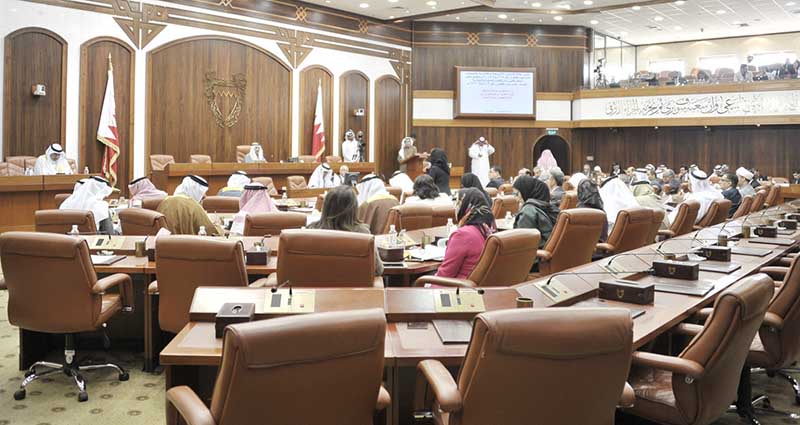
The allegation was made yesterday by Justice, Islamic Affairs and Endowments Ministry assistant under-secretary for judicial affairs Khalid Ajjaj during the Shura Council’s weekly meeting.
He claimed those involved even made deals with Bahrainis and other expatriates to stage financial disputes, which then allowed them to remain in the country despite having invalid residence
permits.
“Expatriates who have problems renewing their visas and residency in Bahrain just take the easy way out by coming up with deals with Bahrainis or other expatriates that see them sign dud cheques, or complain they are owed money, just to impose a travel ban that allows them to stay in Bahrain without any legal action,” said Mr Ajjaj.
“The Interior Ministry can’t take any action to deport expatriates if there is a pending court case against them and, without any legal judgement, they can’t leave the country.”
His comments were made during discussions about a Royal Decree, which allows people to travel abroad despite having financial cases against them in court.
The Shura Council yesterday refused to retrospectively approve the decree, which amends the Court Procedures Law and was issued by His Majesty King Hamad in October.
That is based on concerns that expatriates who have stolen, embezzled or borrowed thousands of dinars would be allowed to slip out of the country and never return to settle their debts.
Currently those convicted of wrongdoing are prevented from leaving Bahrain, even after completing a prison sentence, if they owe money – meaning many end up stranded here without work.
The Shura Council is now waiting for a report from the Supreme Judicial Council on whether expats and Bahrainis against whom financial claims have been made should be allowed to travel.
It plans to submit its own amendments to the law to prevent expatriates from being deported upon completion of prison sentences if they still owe money in Bahrain, despite Mr Ajjaj arguing that such cases could be pursued in the debtor’s own country.
“It is more logical to pursue claims in expatriates’ home countries, considering they may have property and bank accounts there,” said Mr Ajjaj.
“Are we aiming to punish individuals or get the money owed back?
“We were looking for a balance, considering many travel bans involve low amounts – while keeping people here without work and turning them into beggars doesn’t help anyone.
“Also, if it is a Bahraini who owes money, then banning them from travel won’t make a difference to their ability to pay.”
Travel bans are currently in place against 4,500 people, both Bahrainis and expatriates, due to non-payment of debts.
Mr Ajjaj suggested banks should seek greater guarantees from expatriates before giving them loans.
“Banks give loans easily and procedures related to lending money to
expatriates must change, as many financial cases are related to people’s inability to pay loan instalments,” he said.
However, lawyer and Shura Council legislative and legal affairs committee chairwoman Dalal Al Zayed expressed concern that expats could deliberately get arrested if they owed money – just so they could be deported without settling their debts.
“Before going to jail they would get involved in a brawl, or punch a colleague in jail, which is a felony – get three months and automatically be deported,” she said.
“That means all financial cases have to be followed in their home country and legal expenses are extremely high.”
She said she did not oppose the decree for those who owed small amounts.
“But the idea of someone owing thousands getting away is something
that needs attention through urgent amendments,” she said.
Meanwhile, Shura Council human rights committee chairman Ahmed Al Haddad warned that taking legal action against an expat in their own country could be “dangerous” for the person seeking money.
“Leaving the country means they are gone for good,” he said.
“Following them in their home towns or anywhere else could be dangerous, with fears of attack, mugging or any other revenge crime.”
mohammed@gdn.com.bh
&uuid=(email))