

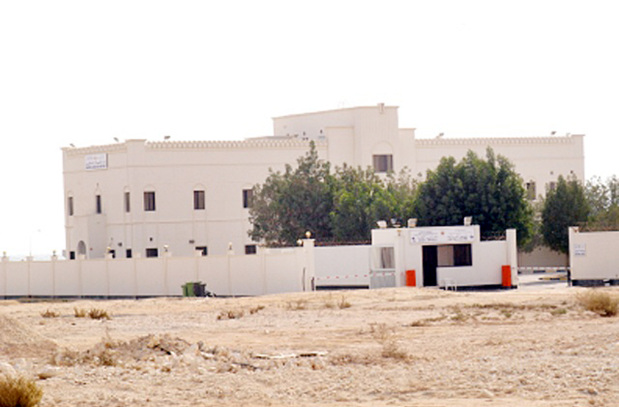
A PROBE has shown that some inmates have been hiding prescribed medication dispensed by Bahrain’s main prison.
The medicines, some of which had expired due to being stored for long periods of time, were found and confiscated by officials at Jaw Prison during a routine inspection of jail cells last month.
The National Institution for Human Rights (NIHR) said yesterday that an investigation showed some inmates did not ingest the medications dispensed at the prison clinic and instead hid them inside their cells.
It comes after a recorded telephone conversation between an inmate and his relative was circulated on social media in which he claimed medication and personal belongings of inmates were confiscated by prison authorities, and further alleged mistreatment.
The call was uploaded last week on a YouTube channel run by extremist news channel Lualua TV, which broadcasts from the UK.
In the conversation, the inmate is heard blaming the NIHR and the Prisoners and Detainees Rights Commission (PDRC) for allegedly ignoring their pleas during prison visits.
“The NIHR contacted the prison authority in Jaw to probe the allegations made by the inmate after the video was circulated on social media,” said NIHR chairwoman Maria Khoury.
“The inspection by the prison authorities was conducted on September 29 during which expired drugs and prescribed medicines were confiscated.”
Ms Khoury explained the confiscated medicines were administered by the prison clinic based on the requirements of each inmate, but were never ingested.
“There were allegations made related to sleep deprivation and confiscation of medications from the cells,” she added.
“The NIHR follows up on all human rights issues and complaints in an independent and transparent manner, and this case it is clear the prison medical clinic administered the prescribed medications according to the set protocol.”
She said the prison officials concerned have taken necessary steps to deal with the situation – adding that the NIHR will continue its visits to monitor any violations.
“We have completed 13 visits this year so far and intend to conduct more prison visits in the next two months,” she added.
“If any shortcomings are detected, then the NIHR informs the prison authorities concerned who respond immediately to rectify those violations.”
According to data released by the PDRC, the total number of inmates at Jaw Prison recorded in 2015 was 2,468 while the capacity of the facility was 2,145.
The Women’s Reformation and Rehabilitation Prison in Isa Town has over 116 inmates with majority of them being Non- Bahrainis, while the Juvenile Care Centre (JCC) in Isa Town can accommodate 72 occupants, but the number of juveniles at the time of the PDRC inspection on February 18 and 19 of this year were 32, representing a 44 per cent occupancy rate.
The GDN reported last week that police watchdog, Ombudsman, registered 51 cases involving prisons and rehabilitation centres that were referred for criminal or disciplinary proceedings. This was mentioned in its latest report recorded between May 1 last year and April 30 this year.
sandy@gdn.com.bh
&uuid=(email))