

HUNDREDS of children born to Bahraini mothers should be given preference over expatriates when it comes to nationality rights, demanded activists.
Bahrain’s existing Nationality Law denies unmarried and married Bahraini women the same rights as men to pass on their citizenship.
Article Four states that children shall be deemed Bahraini nationals if they were born in the country or abroad and the father, at the time of birth, was Bahraini.
However, a Bahraini woman can only pass on her nationality if her child’s father was unknown or the paternity could not be legally proven.
In 2005, a nationwide campaign calling for equal citizenship rights was launched by a number of civil societies, and two years later the-then parliament chairman Dr Khalifa Al Dhahrani pushed for an amendment to the law. However, nothing has materialised since.
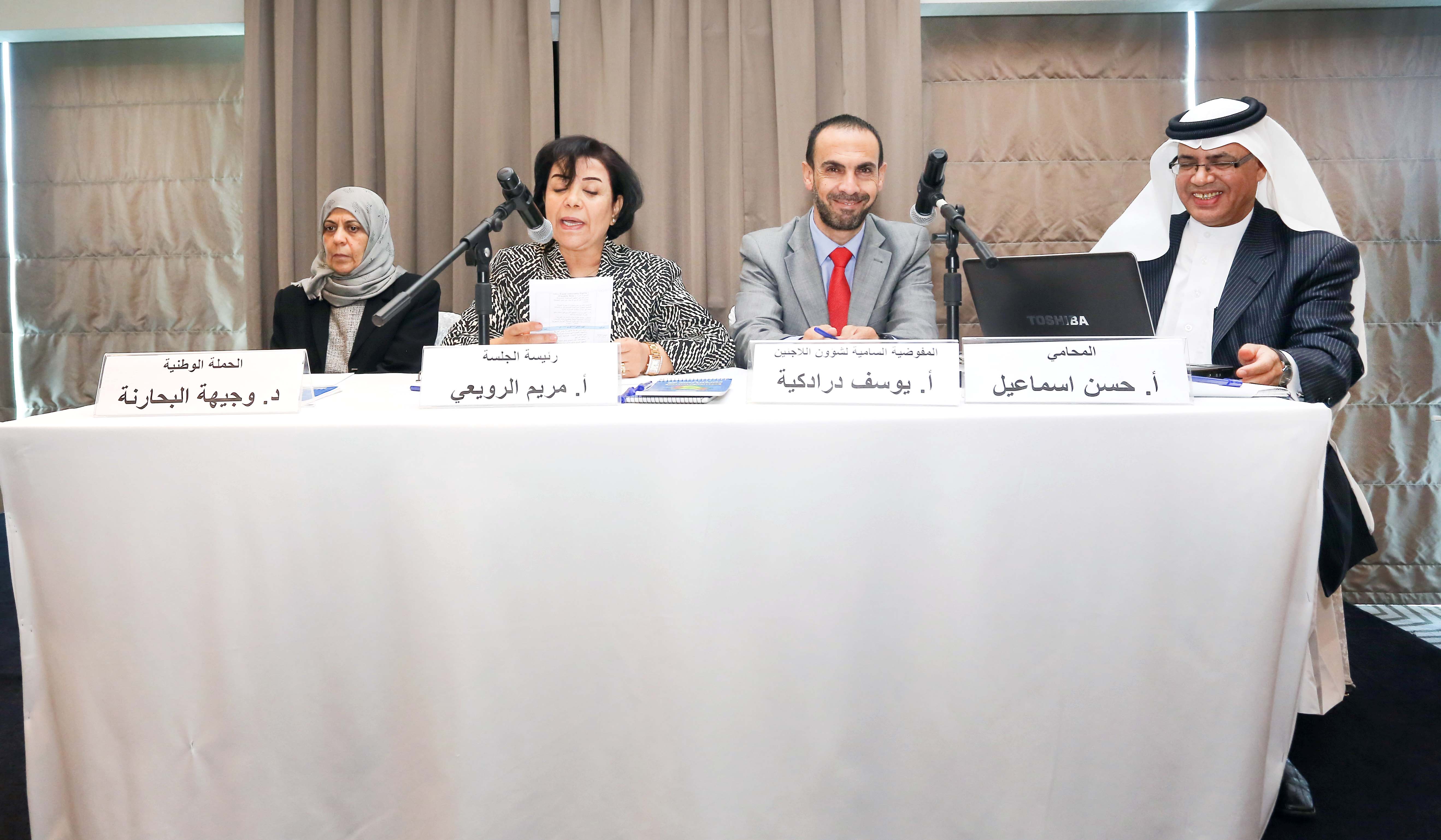
The sexist law was discussed by women’s rights activists yesterday during a two-day conference, which was held at Ramee Grand Hotel and Spa in the Seef District.
“Thousands of people who have little knowledge about the country’s culture and morals are granted citizenship, many of whom who don’t even fulfil the requirements,” said campaign lawyer Hassan Esmaeel.
“We have hundreds of children who have a sense of belonging to the country but are not given a chance.
“They feel unwanted by their country which they spent their entire life in.
“Enjoying limited rights such as free education and healthcare is not enough and full citizenship will remain a demand.”
In 2006, 372 children were granted citizenship by His Majesty King Hamad, while 335 were granted the nationality in 2011.
However, Bahrain Women Association for Human Development director Dr Wajeeha Al Baharna said the issue will only be addressed when a new law is enforced.
“These children need to feel that they belong to the country, a feeling that cannot be achieved by just granting them free health and educational services,” she said.
“They have duties and responsibilities towards their country, the only country they know.
“If only people would understand the hardships they face by thinking that they are denied the privilege of belonging to the country.
“And then we compare the situation to the fact that men are allowed to marry up to four foreign women and pass on their nationality to them after just five years of applying for it.”
The conference, which ends today, is being organised by the Bahrain Women’s Union in co-operation with New York-based advocacy group Global Campaign for Equal Nationality Rights.
Present were women activists from around the world, as well as officials from the Supreme Council for Women, the United Nations High Commissioner for Refugees, Equality Now, a number of societies and parliament’s women and child committee head MP Roaa’a Al Hayki.
A five-minute documentary featuring families suffering from the issue was also screened during the opening ceremony.
The GDN reported last month that Bahrain was among 53 countries that have sexist nationality laws, according to a report titled ‘The State We’re in: Ending Sexism in Nationality Laws’, prepared by Equality Now with the with the assistance of TrustLaw, a division of the Thomson Reuters Foundation.
shahlaa@gdn.com.bh
&uuid=(email))