

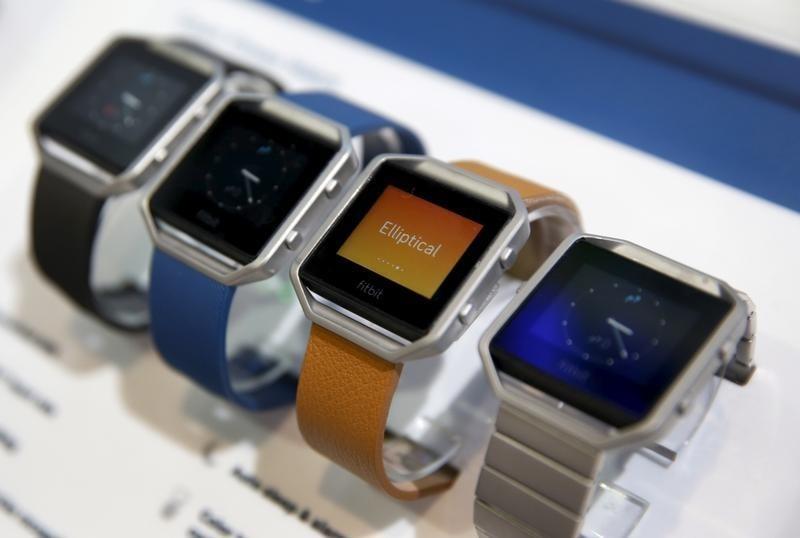
A lot of my friends in Bahrain are wearing Fitbits. I wonder if they realise that as they nudge them up another flight of stairs or round another lap, they are also absorbing a vast amount of personal data. That need not be cause for alarm.
Indeed, harnessed properly, it may improve or even save lives. An initiative led by Alzheimer’s Research UK and part-funded by Bill Gates aims to develop a smartwatch that can detect Alzheimer’s disease two decades before symptoms appear. It is recruiting more than a million people to test the device. In six years it aims to introduce it.
The watch would monitor sleep, how you walk, and your speech in order to detect subtle early signs of Alzheimer’s using a digital “fingerprint” of the disease.
To create that fingerprint researchers are combing through vast amounts of clinical data from dementia studies across the world.
The million volunteers will be picked from among five million taking part in a health-data programme, which aims to help researchers find new ways to detect disease.
Big data has vast potential to help us to understand illness and discover new treatments. Such initiatives are an important step forward.
People have long been suspicious of those who want to collect their medical information.
Various data breaches have not helped. Yet the benefits of such large-scale data collection are huge. Rare manifestations of diseases can be studied. Variations in symptoms can be better categorised.
Patients who fall outside the norm can be included. Exciting new treatments can emerge as a result.
Large-scale studies such as the Human Genome Project have been valuable to science.
Yet they are the result of substantial efforts in data-gathering.
Wearable devices could make that work more easily. It is time such treasure troves of data were used for the benefit of all.
&uuid=(email))