

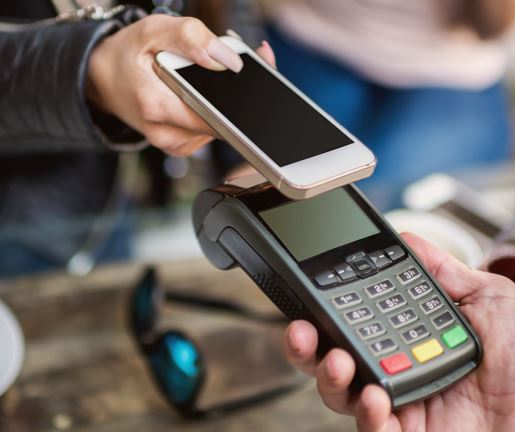
The emerging realm of finance is expected to bring exciting news since all major economies of the world are in the course of a digital revolution, which will erase the very existence of money that dominated for centuries as a tangible means of exchange.
Centuries ago, money emerged as one of the most important inventions of mankind. Before that people used to exchange their goods through the so-called barter system. Soon coins and precious metals were launched as new means of value exchange and with the passing of time, the concept of currency moved from coins to paper money, and eventually to cashless forms of monetary transactions.
The world is racing towards a wallet-free living that promises safe and secure means of transaction. A growing number of people and businesses worldwide have abandoned the use of currency for fear it could carry the virus, thereby enhancing the use of digital payments.
The Central Bank of Bahrain too has started its initiative to explore the prospects of launching the digital version of the Bahrain dinar.
However, if a society moves to 100 per cent digital payments too quickly, those poor and homeless people may get locked out from the new payment system. Most of our transactions will take place electronically, but our choice to hold on to cash will remain for some more time. Moreover, it is assumed that remote and rural areas would require more time to shift their infrastructure to the digital age.
Many of us are tired with the burdensome banking procedures prevailing now that are increasingly time-consuming and choking. Whatever technologies adopted from time to time to overcome this situation has proved inadequate to enhance the efficiency of the banking system. Yet, the digital banking platform, evolved as a powerful and innovative next generation technology, is going to transform our dreams into reality. Blockchain technology is an alternative to the Internet facility; a software network that performs by itself both the functions of a digital ledger and as a technology for secure transfer of assets without manual support.
This new technology is going to change the way we conduct business and will have its influence on all major industries of the world. However experts have raised fears about the security and reliability of this new technology.
If successfully established, the blockchain system will lead the whole banking scenario to be redesigned. Bank clerks and the services of ATMs will lose their importance.
Currency locker rooms and counting machines will become archaic. Huge bank ledgers, teller cabins and cashiers will soon disappear.
Transfer of funds will become more easily available 24/7. And finally, the whole banking industry will have to redefine its activities the same as how it has emerged with the future of postal departments all over the world.
The crack of the new crimson dawn of a cashless society is visible on the horizon. The current pandemic may hasten the quick rise of a cashless economy. Let’s only hope for the best.
&uuid=(email))