

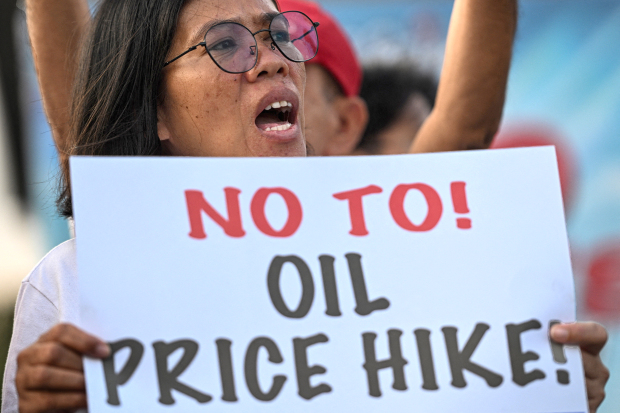
The war with Iran could leave consumers and businesses worldwide facing weeks or months of higher fuel prices even if the week-old conflict ends quickly, as suppliers grapple with damaged facilities, disrupted logistics, and elevated risks to shipping.
The outlook poses a wider global economic threat, as well as a political vulnerability for US President Donald Trump leading into the midterm elections, with voters sensitive to energy bills and unfavourable to foreign entanglements.
The conflict has already led to the suspension of around a fifth of global crude and natural gas supply, as Tehran targets ships in the vital Strait of Hormuz between its shores and Oman, and attacks energy infrastructure across the region.
Global oil prices have surged 24 per cent this week to over $90 a barrel and are on course for their steepest weekly gains since the pandemic, driving up fuel prices for consumers worldwide.
A nearly complete shutdown of the Strait means the region’s giant oil producers – Saudi Arabia, the UAE, Iraq and Kuwait – have had to suspend shipments of as much as 140 million barrels of oil – equal to about 1.4 days of global demand – to global refiners.
Iranian forces, meanwhile, are targeting regional energy infrastructure – including refineries and terminals – forcing them to shut down too, with some of those operations badly damaged by attacks and in need of repairs. Qatar declared force majeure on its huge volumes of gas exports on Wednesday after Iranian drone attacks and it may take at least a month to return to normal production levels, sources told Reuters.
Qatar supplies 20pc of global LNG. Saudi Aramco’s mammoth Ras Tanura refinery and crude export terminal, meanwhile, has also closed due to attacks, with no details on damage.
Meanwhile, Indian companies have raised the prices of liquefied petroleum gas, mostly used as a cooking fuel, for the first time in about a year.
Indian Oil Corp, the country’s top refiner and LPG seller, has increased the prices of a 14.2-kg LPG cylinder in Delhi by 7 per cent to 913 rupees ($9.93), according to its website.
Pakistan has raised consumer prices for diesel and petrol about 20pc.
&uuid=(email))