

EQUITY and justice are the highlights of a new assessment report released recently by the Intergovernmental Panel on Climate Change (IPCC). It focuses on the impacts of climate change, as well as vulnerability and adaptation.
In a message to policymakers, it says that inclusive governance that prioritises equity and justice in adaptation planning and implementation would lead to more effective and sustainable adaptation outcomes.
This is a welcome, albeit long overdue development.
The report offers widespread evidence in support of a focus on justice across different sectors and regions. It reflects rapidly mounting concern for climate justice – in both advocacy circles and in the public discourse – and a sharp increase in the volume of information on this topic.
Arguments concerning climate justice include the need to address historical inequities, contest established power, and consider diverse perspectives and needs in planning and delivery. Only by confronting these issues directly can we deliver on the Sustainable Development Goals and climate goals.
Africa is highly vulnerable to climate risk. The continent features strongly in discussions on equity and justice, which argue for low carbon development without interfering with the economic growth.
With their concentration of people and growth, African cities are particularly important places to focus climate action. They have been slow to develop adaptation and mitigation policies and practice, but there are ample lessons worldwide and within the continent from which to draw motivation.
Organisations such as 350.org and Climate Justice Alliance, are fighting for equity and justice locally and internationally. We can glean approaches by studying and understanding these efforts, but we need to make them locally relevant.
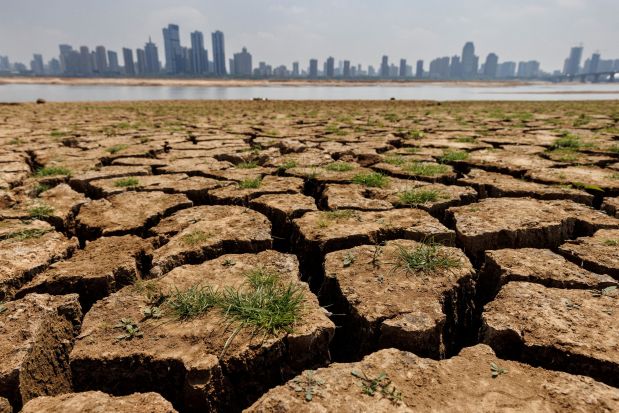
Across the globe, cities are rapidly integrating climate action in their plans to reduce emissions and the impacts of hazards, such as droughts, floods, fires and heatwaves. A few African cities have made progress by building justice and equity into climate response programmes. Kampala is converting organic waste into briquettes for cooking. This provides an alternative livelihood strategy, reduces the number of trees cut for charcoal, and decreases the amount of waste going to landfill.
In response to neighbourhood flood risk, residents in Nairobi have invested in reducing their exposure. In addition, they have mobilised youth groups to disseminate environmental information and engage in activities such as tree planting to stabilise riverbanks.
Some local governments are ramping up their climate change management efforts. Yet, the challenge is too massive and urgent.
More projects and programmes are needed that use a collaborative or co-productive approach for meeting equity and justice goals. We must have innovative ways of bringing in different sectors and actors – to really hear their perspectives and explore potential solutions. Such an approach might require safe space for experimentation.
In addition, we have to develop methods for scaling urban solutions that ensure adaptation responses meet the needs of the most at-risk groups across cities.
When prioritising adaptation actions at the city level, local governments have tended to use criteria based on their frameworks and data, providing just one perspective. However, more bottom-up data is required to meet the needs of those most at risk.
Such data can better capture challenges that citizens face, such as accessing water during droughts or recovering from flooding that might have washed away homes and possessions.
A recent project in Cape Town sought to do this. Local activists from low-income neighbourhoods collected data on issues around water services and explored diverse ways, including film, comics and maps as ways to share this information with other residents and city officials.
Collaborations between NGOs, researchers and local governments can strengthen the type of data available and contribute to more nuanced understanding.
Across the globe, cities are rapidly integrating climate action in their plans to reduce emissions and the impacts of hazards, such as droughts, floods, fires, and heatwaves. They also are rapidly expanding opportunities to access climate funding.
The time has come for African cities to determine how they will engage in climate action and justice space to ensure they meet the serious challenges they are confronting.
&uuid=(email))