

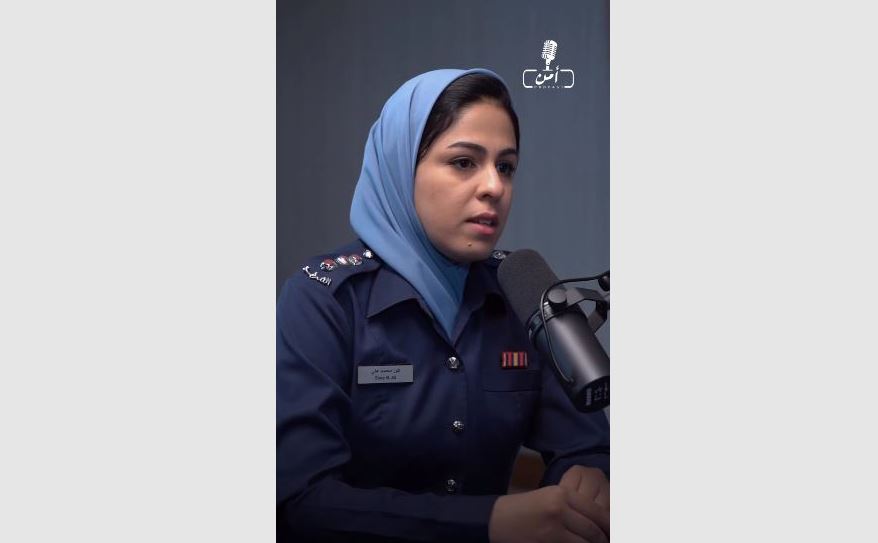
Parents have been urged to monitor their children’s online activities following a global surge in predators and scammers making virtual connections with the young through games and social media in a bid to abuse or defraud them.
Interior Ministry Cyberspace Child Protection Unit officer Fowz Mohamed also warned parents to look out for sudden behavioural changes in children as it may be indicative of abuse.
“Video games are not the same as they used to be,” Ms Mohamed said on the Interior Ministry’s Amn Podcast.
“Back in the day, if two or more youngsters wanted to play games together, they had to be in the same room. With the Internet, that is no longer the case, and now they are connected to the entire world.
“This, unfortunately, means they are also connected to scammers and predators who use it to their advantage, especially against young children.”
Ms Mohamed said predators would befriend a child over a period of time and slowly manipulate them into divulging information, which they would use to entrap or abuse them.
“The scammers listen to everything the child says, learn everything about them, and use it to emotionally and sexually abuse them,” she said.
“We have had several parents complain about this, saying some pervert on the Internet was talking to their young one and told them not to reveal anything to their parents.”
She highlighted a couple of cases that the ministry has dealt with in the past, while not mentioning any names to protect the identities of the parents and the children.
“A scammer manipulated a child into giving up their parent’s credit card information,” she said.
“The child was finding it difficult to continue playing the game and the scammer exploited the situation by saying that he could buy some tools that would help him win.
“Not revealing anything about the scammer, the child requested their father to give his credit card, which he refused.
“However, in desperation, the child stole the card and gave the information to the scammer.”
Another case featured a nine-year-old being sent lewd pictures by a stranger whom the child met through an online game.
“The predator took his time and slowly earned the child’s trust and then sent inappropriate pictures online,” she said.
“He also asked the nine-year-old to send similar pictures back to him. Luckily, the parents found out and intervened before the child could do so, and lodged an official complaint with us.”
Ms Mohammed said if children were caught doing anything inappropriate, the best approach would be to sit them down and educate them, as shouting or screaming at them would only have the opposite effect.
“Talk to them calmly and explain to them what they are doing is wrong,” she said.
“If you do not know how to approach the situation, we – ministry officials – can talk to them personally.
“We have facilities that can make the child feel at ease, where we will talk to them and explain to them the dangers of online strangers in a way they understand.”
The officer stressed that while educational campaigns were underway to raise awareness, it was key for parents to start discussing cyber safety with young children before they become a victim.
She said a child’s online safety was dependent on their parents as much as it did on them.
“You are the first line of defence,” she said in a message to parents.
“Don’t be complacent, monitor their online activities, including social media. Pay attention to the way they act, both online and in real life, and most importantly, if you have any suspicions at all, contact us immediately on the 992 hotline.
“It is open 24 hours a day, so call us anytime.”
nader@gdnmedia.bh
&uuid=(email))