

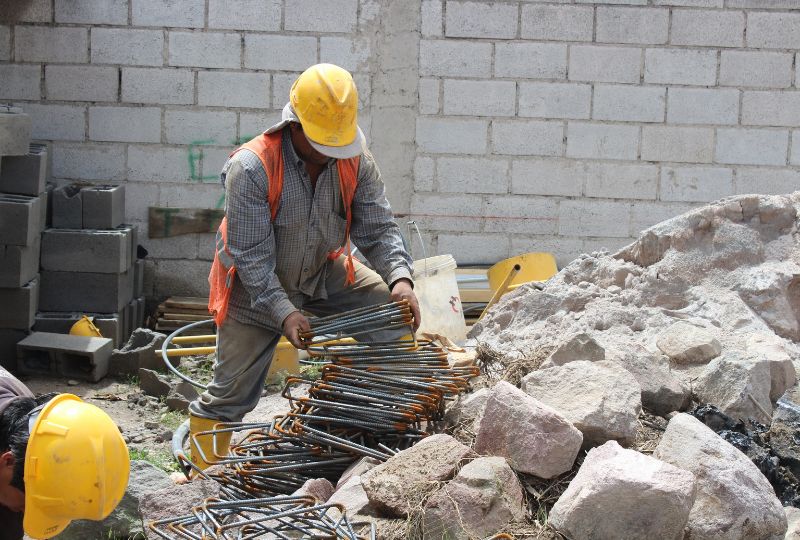
Two workers, who were brought over from Egypt to work in a bread factory, were allegedly forced to instead do construction work and hard labour at the house of their manager, a court has heard.
The High Criminal Court found the Jordanian manager guilty of forcing the two victims to work for long hours for meagre pay and without breaks, forging contracts and stealing the men’s passports.
He was sentenced to a year behind bars, that is expected to be suspended for three years from the date when the final verdict is issued, which will occur once the Jordanian exhausts his two appeal options.
The court also fined the defendant BD5,000 and ordered him to pay for the repatriation of the two victims.
Before the court’s ruling, he reportedly returned the victims’ passports, and they withdrew their complaints against him. They were also released from the shelter, and asked to be sent home.
The 30-year-old accused was convicted on five charges, including human trafficking involving the two individuals, and making them work for an unfair salary and in unsuitable conditions that did not meet the legal requirements.
He was also convicted of forced labour, forgery and knowingly submitting a forged document to a government body and stealing property given to him for safekeeping.
“We came to Bahrain to work at a bread factory for BD140 each, but our boss made us work in construction and cleaning in his house for 12 to 15 hours per day,” one of the victims, aged 24, earlier told prosecutors.
“Instead of the agreed-upon salary, he paid us just BD60-70, claiming that the rest of our salary was taken to ‘pay off’ the expenses of bringing us here, like our flights and visa.
“He also mistreated us physical and verbally, and one time he made us work for 24 hours continuously without overtime pay.”
According to a policeman tasked with investigating the report against the manager, the men were made to carry cinder blocks, cutting rebar, painting walls and cleaning in his Seef residence.
The contracts, which he submitted to the Labour Market Regulatory Authority, included falsified signatures attributed to the victims, that were declared as fake by forensic analysts.
The man admitted to the Public Prosecution that he employed the men in jobs that were not specified in their contracts.
Records show that the defendant had several criminal cases against him, similar to the current case.
&uuid=(email))