

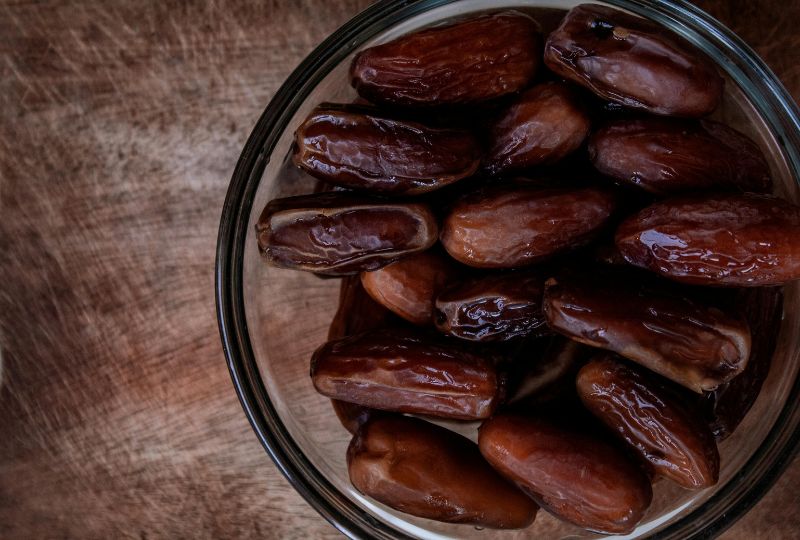
It always shocked my friend’s late mother when she visited her from Kerala that the luscious dates in Bahrain were simply trampled underfoot or pecked at by birds without any organised effort to collect and prepare them in some way.
And so, a family tradition was born that continues to this day, of collecting the dates in their garden for a session of expert pickling.
Today, it is an occasion that we all look forward to – some of us for the gift of tangy, spicy date pickle and others for the camaraderie of joining in the preparation, exchanging gossip as hot as the achaar spices and renewing the bonds of our network of friendship over bubbling pots of pickle.
With Ramadan expected to begin around February 18, dates have started taking centre stage in most shops and even in roadside stalls.
In Bahrain, the date is our spiritual anchor in the holy month; it’s the first sweetness to touch the tongue after 16 hours of discipline. But as I watched the madness at the local markets this past week, I couldn’t help but wonder: are we just holding onto a sentimental relic, or is there a real future for this fruit beyond the Iftar tray?
For a long time, it felt like the latter.
We grew up hearing about the ‘Land of a Million Palm Trees’, yet we watched those groves shrink to make way for concrete.
The date palm became a background character – a bit of greenery for a roundabout or a nostalgic prop for a National Day photo op. For many of us, the ‘industry’ felt like something that happened in our grandfathers’ time, not ours.
However, if you look closer at the crates arriving in the suqs this Ramadan, you’ll see the narrative is shifting.
We are moving past the purely ceremonial. There is a quiet, proud revolution brewing in our remaining groves.
I’m seeing younger Bahraini entrepreneurs ditching the generic plastic bags for artisanal, boutique packaging. They aren’t just selling fruit; they are selling a piece of our soil, infused with flavours like salted caramel, tahini and toasted nuts.
This isn’t just about ‘monetising’ a tradition; it’s about survival.
Bahrain is increasingly leveraging tissue culture technology to revive indigenous varieties like Ikhlas and Barhi. This isn’t cold, corporate business, it’s a high-tech rescue mission for our heritage.
Experts estimate that with the right investment in laboratories, we could pivot from being passive consumers to global exporters of premium seedlings.
Even the way we ‘do business’ feels more personal now.
Events like the Farmers Market in Hoorat A’ali have turned the trade into a community celebration.
When you buy a kilo of Khalas directly from a local farmer, you aren’t just checking off a Ramadan grocery list. You are fuelling a commercial engine that is finally learning to roar again.
We may no longer have a million trees, but we are finally realising that the ones we do have are worth their weight in gold.
As we break our fast next week, let’s appreciate the date not just as a ritual, but as a resilient Bahraini success story that is finally getting the business makeover it deserves.
meeraresponse@gmail.com
&uuid=(email))