

Energy transition is a global conversation, but the loudest voices usually come from energy-consuming countries. In these nations, the push to reduce emissions often leads to the belief that fossil fuels must be phased out entirely and quickly.
This belief overlooks the realities of energy-producing regions like the Gulf. Oil and gas are not just sources of energy in the GCC – they are the foundation of our economies. They have built infrastructure, funded education and healthcare, and supported economic growth for decades. To treat them as problems to be eliminated, rather than valuable assets to be improved and integrated into a smarter energy future, misrepresents what the energy transition should mean in this part of the world.
There is no doubt that we need cleaner, more efficient energy systems. But the approach must reflect our region’s circumstances. The Gulf must define energy transition on its own terms, based on local realities, long-term planning, and national goals.
Practical, not reactive
In many industrialised countries, energy transition means aggressively replacing fossil fuels with renewables. This shift is often driven by public opinion, environmental policy, and aging infrastructure that is no longer efficient or competitive.
Multiple independent analyses indicate that Saudi Arabia, and to some extent the UAE, produce some of the least carbon-intensive crude oil globally. A Science‑published study found Saudi crude delivered to refineries averaged only about 4.6 grams CO₂e per MJ, ranking it lowest among major producers. Similarly, S&P Global Platts identified the Safaniya (Saudi) and Fateh (UAE) fields as among the lowest upstream carbon‑intensity oils worldwide, each under 20 kg CO₂e per barrel
Moving away from these resources too quickly would harm our economies and fail to deliver significant global emissions reductions. Instead, the demand would simply shift elsewhere, often to regions with higher-emission production.
Transitioning the energy system should not mean weakening our core economic advantages. It should mean adapting and improving them.
Oil and gas can support the transition
Energy transition is often framed as a choice between fossil fuels and renewables. That framing is not helpful. Oil and gas are not holding us back from cleaner energy. They are part of how we get there.
The region is already using oil and gas as a platform for cleaner technologies. Carbon capture and storage, hydrogen production, energy efficiency tools, and digital monitoring systems are being developed within the existing energy framework. These are not alternatives to the oil and gas sector. In fact, I would argue that they are improvements to it.
Saudi Arabia provides a strong example. It continues to invest in oil and gas through Saudi Aramco while supporting large-scale renewable projects through companies like ACWA Power. The UAE has followed a similar path. It has expanded solar and nuclear power while modernising operations at ADNOC. Oman has begun developing green hydrogen projects. Bahrain is building a regulatory framework to support rooftop solar installations.
These efforts show that energy transition in the Gulf is not about abandoning hydrocarbons. It is about making smarter use of all energy sources.
Measuring progress by local standards
We should ask ourselves a clear question. What does a successful energy transition look like in the GCC?
It should not be judged only by carbon targets or the percentage of renewables in the grid. These metrics have value, but they do not tell the full story. We should measure progress by how well we maintain economic stability, reduce emissions, and improve reliability in energy access.
The UAE’s Energy Strategy 2050 provides a thoughtful approach. It aims to increase the share of clean energy to 50 percent while cutting emissions and improving efficiency. The strategy does not ignore the importance of natural gas or nuclear energy. It includes them as necessary tools. This is a balanced plan that reflects regional conditions. In one of the field leadership courses, I personally witnessed an outstanding practical application of this strategy by supplying the electrical power required to operate an onshore field using a source that generates electricity from nuclear-powered generators instead of conventional gas turbines.
In Bahrain, the government is updating its National Renewable Energy Action Plan with goals for solar adoption and better regulation. At the same time, natural gas continues to play a central role in electricity generation. This balanced planning allows for energy diversification without economic disruption.
Building regional strength together
No single GCC country will complete the energy transition alone. Regional co-operation can speed up progress and make it more efficient. Shared power infrastructure, joint investments, and collective research can help countries build stronger systems together.
The GCC Interconnection Authority has linked national power grids, improving reliability across borders. With better integration, countries can manage peak demand more efficiently and support one another during energy shortfalls. This also makes it easier to absorb more solar and wind power into the system.
Shared investment in research can also drive new solutions tailored to the Gulf climate. Advanced desalination technologies, cooling systems, and solar panels designed for high temperatures can help all countries in the region reduce energy consumption and improve water efficiency. The region does not need to depend entirely on imported technologies. With the right support, we can develop many of these solutions ourselves.
Role of public awareness
Energy transition is far more than just about technology or infrastructure. It is also about how people use energy every day. High energy consumption in the region is often the result of subsidies, inefficient buildings, and a lack of awareness.
Encouraging responsible energy use is just as important as building power plants. People need to understand how their habits affect the national energy system. Small actions such as reducing air conditioning waste, using energy-efficient appliances, and turning off unused devices can make a measurable difference when multiplied across millions of users.
At the same time, governments should promote energy education and reform policies that encourage overconsumption. More transparent pricing, targeted subsidies, and public campaigns can help create a culture of efficiency.
Workforce development also matters. As energy systems become more diverse and digital, the region will need new technical skills. Engineers, data analysts, grid operators, and energy economists will play a growing role in shaping future systems. Investments in education, training, and professional development will help the region stay ahead. And here comes the role of Society of Petroleum Engineers (SPE) Bahrain local section in supporting awareness among the community of leaders and professionals in the oil and energy sector.
Leading with confidence
Global discussions about energy transition often describe Gulf countries as slow to change or reluctant to move away from fossil fuels. This narrative does not reflect the reality on the ground.
The Gulf has already started its transition. It is happening in a way that fits our needs, priorities, and long-term plans. Instead of racing to follow models developed elsewhere, we are creating one that works here.
It does not indicate a rejection of the transition. Rather, it is a recognition that success depends on clarity, consistency, and national ownership of the process.
We should not apologise for building on our strengths. We should use them to lead the way in how energy producers around the world manage change responsibly.
Moving ahead
The future of energy in the GCC does not lie in abandoning hydrocarbons. It lies in managing them better while developing alternatives that serve our people and our economies. Our version of energy transition should reflect regional facts, not imported assumptions.
We need clear policies, strong institutions, smart investments, and public participation. We also need confidence in our ability to define the future on our own terms.
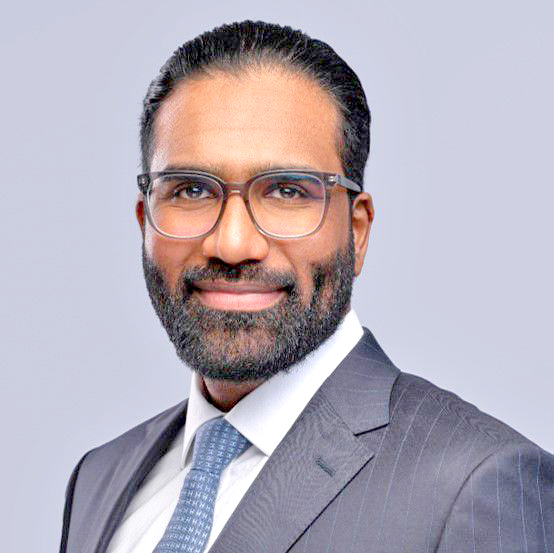
As Chairperson of the Society of Petroleum Engineers in Bahrain, I believe the Gulf has a valuable story to tell. It is a story of progress, balance, and practical leadership.
Now is the time to tell that story clearly and to lead with purpose.
For further insights on regional energy transition and petroleum leadership, follow Mr AlThawadi on Instagram at @abdullaalthawadi1
&uuid=(email))