

Bahrain could soon transform decommissioned buses, old vehicles and striking heritage-inspired structures into thriving underwater habitats as part of an ambitious plan to expand artificial reefs while creating new world-class diving attractions.
The initiative has captured the imagination of Parliament, municipal councils and the Capital Trustees Board after they were invited to submit proposals following a high-level government directive to identify innovative reef concepts that protect marine ecosystems and strengthen tourism.
The move follows the 308th meeting of the Ministerial Committee for Development Projects and Infrastructure, chaired by Deputy Prime Minister Shaikh Khalid bin Abdulla Al Khalifa last month, which reviewed proposed marine sites for artificial reefs.
The committee tasked the Transportation and Telecommunications Ministry to co-ordinate with the Survey and Land Registration Bureau, Bahrain Tourism and Exhibitions Authority (BTEA) and the Supreme Council for Environment (SCE) to assess suitable locations that would enhance marine environmental protection while developing attractive diving destinations.
Muharraq Municipal Council chairman Abdulaziz Al Naar believes Bahrain should give a second life to retired transport.
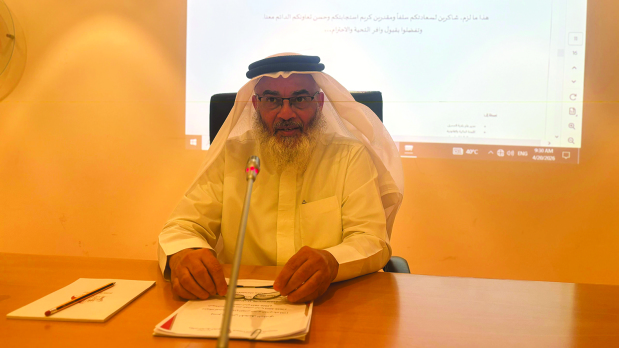
Mr Al Naar
“We have old buses and vehicles that could become part of a unique underwater reef project after being properly prepared,” he said. “Instead of remaining unused, they can become habitats for marine life and attractions for divers, giving these structures a completely new purpose.”
Southern Municipal Council chairman Abdulla Abdullatif proposed creating distinctive reef installations inspired by Bahrain’s rich history.
Mr Abdullatif
“We should build structures that tell Bahrain’s story beneath the sea,” he said. “Our heritage, culture and history can become part of an unforgettable diving experience while supporting marine biodiversity.”
Capital Trustees Board chairman Saleh Tarradah said different locations could each develop their own identity.
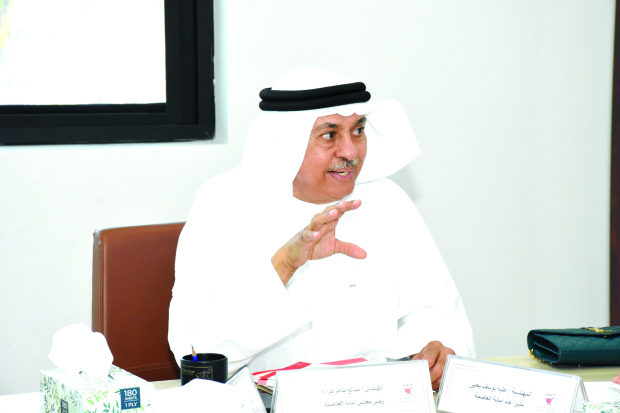
Mr Tarradah
“There is no need for every reef to look the same,” he said. “Multiple locations could have different themes, giving divers new experiences every time they visit while showcasing different aspects of Bahrain.”
Strategic Thinking Bloc spokesman and Parliament’s public utilities and environment affairs committee member Khalid Bu Onk suggested the site of the former Dive Bahrain project could once again become a focal point.
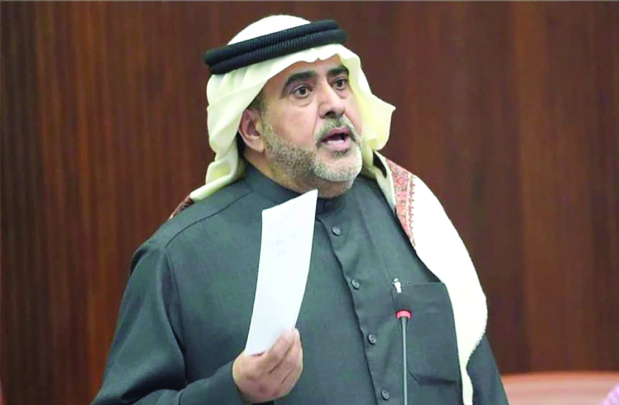
Mr Bu Onk
“The previous location already has a reputation among divers,” he said. “We should consider creating a structure capable of withstanding strong currents and marine conditions, allowing it to become a sustainable diving destination for years to come.”
Committee member MP Bader Al Tamimi described the initiative as both environmentally and economically viable.
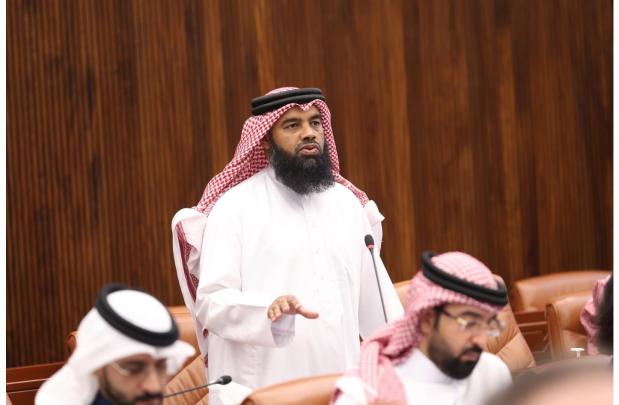
Mr Al Tamimi
“Artificial reefs help marine ecosystems recover while opening new opportunities for tourism and supporting the blue economy.
“If adopted, Bahrain’s project could combine environmental conservation, marine research and tourism with imaginative underwater landmarks reflecting the kingdom’s identity – turning yesterday’s scrap into tomorrow’s spectacular underwater treasure.”
Far from being an experimental idea, converting retired transport into artificial reefs has become an internationally recognised conservation tool.
Between 2001 and 2010, New York City sank more than 2,500 decommissioned stainless-steel subway cars along the US Atlantic coast after removing all hazardous materials. Their hollow interiors quickly became shelter and breeding grounds for fish, with research showing such reef structures can generate dramatically higher marine biomass than barren sandy seabeds.
Sri Lanka has also deployed retired public buses to regenerate declining fish populations, while several countries have used decommissioned military vehicles and specially prepared heavy steel structures to create stable reef foundations capable of surviving powerful ocean currents.
Environmental experts note that the metal itself does not pollute the sea once vehicles have been thoroughly stripped of oils, plastics, asbestos and other contaminants before sinking. Over time, corals, algae, barnacles and shellfish colonise the structures, eventually creating self-sustaining marine ecosystems.
mohammed@gdnmedia.bh
&uuid=(email))