

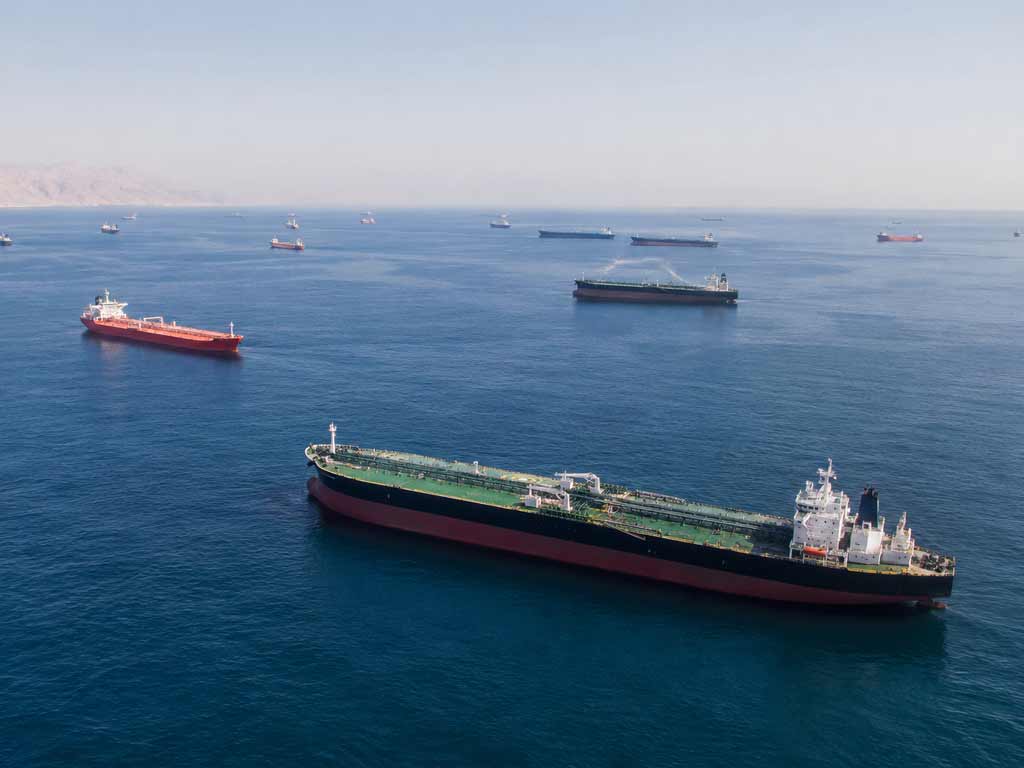
A fresh attack on a commercial vessel near the Strait of Hormuz and the diversion of Saudi-operated tankers away from the Red Sea underscored mounting risks to global energy supplies on Tuesday, even as the United States and Iran issued conflicting statements over the status of negotiations aimed at ending their five-month-old conflict.
The latest security incident came after a cargo vessel reported being struck by an "unknown projectile" while transiting the Strait of Hormuz, one of the world's most critical oil shipping lanes.
According to the United Kingdom Maritime Trade Operations (UKMTO), the vessel issued a distress call over VHF Channel 16 after being hit about 20 nautical miles (37 km) northeast of Al Khasab, Oman, on the southern side of the strategic waterway. The UKMTO did not identify the vessel or say who was responsible for the attack.
The incident adds to growing concerns over the security of maritime trade through the Gulf, despite diplomatic efforts to ease tensions following months of conflict between the United States and Iran.
At the same time, the Red Sea shipping crisis has intensified after six Saudi-operated oil tankers diverted around the Cape of Good Hope to avoid a Houthi-declared blockade at the Bab al-Mandeb Strait, according to ship-tracking data.
The Iran-backed Houthi movement in Yemen has warned it would target Saudi vessels attempting to transit the strategic chokepoint linking the Red Sea and the Gulf of Aden.
The diversions are expected to significantly increase shipping costs through higher fuel consumption, longer voyage times, increased insurance premiums and reduced tanker availability, adding further pressure to energy markets already unsettled by the Gulf conflict.
The maritime tensions come amid confusion over whether Washington and Tehran have resumed negotiations.
US President Donald Trump said on Monday that talks with Iran were already under way, describing them as Tehran's "last chance" to secure an agreement.
"They are going on right now," Trump told reporters at an Oval Office event when asked about negotiations. He said discussions were taking place at the request of Iran and regional partners including Saudi Arabia, the United Arab Emirates and Qatar.
"This is a last chance for them to sign a good document," he said.
However, Tehran swiftly rejected Trump's assertion, insisting that no negotiations with Washington were taking place.
Foreign Ministry spokesman Esmail Baghaei said Iran had no plans to receive foreign delegations or send negotiators abroad in the coming days. He said all Iranian negotiators remained in the country, except Foreign Minister Abbas Araqchi, who was on a religious pilgrimage in Iraq.
Baghaei said the only discussions currently under way were with Oman on managing shipping through the Strait of Hormuz, including proposals for a temporary safe maritime route for commercial vessels.
The contradictory statements have added to uncertainty over prospects for a diplomatic breakthrough, with traders closely watching both the security situation in key shipping lanes and any signs of progress in negotiations that could reduce the risk of further disruption to global oil supplies.
&uuid=(email))