

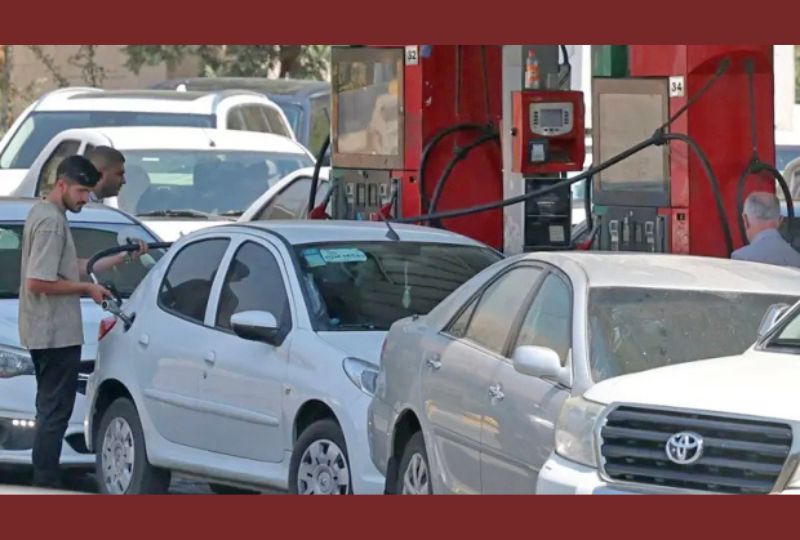
Long queues formed at petrol stations in Tehran yesterday after the United States announced fresh sanctions aimed at pressuring Iran into submission.
Washington has turned to pulling economic levers six months into a war on Iran that has ground to a stalemate militarily, with peace talks stalled and most traffic through the crucial Strait of Hormuz blocked.
Though Iran’s leaders have shrugged off the tough talk, having already endured sanctions for decades, some residents of the capital feared that they would feel the pinch.
“Naturally, sanctions affect people’s lives. People are being hurt, both those who are financially well-off and those who are financially weak,” said realtor Mehdi Yazdian, 55, who urged the authorities to control prices.
“Yes, these sanctions are having an effect, but naturally, our people are resilient. These sanctions have been in place for 47 years.”
Iran had already been grappling with sky-high inflation before the war, which fueled an anti-government protest movement that peaked in January.
Authorities met the movement with a crackdown that rights groups said killed thousands of people.
The government has attributed the violence to “terrorist acts” orchestrated by the United States and Israel.
English teacher Kia Farahani, 45, said similar unrest could lie ahead.
“I personally am not afraid of war at all because this is our land,” she said.
“But I think that this war will be more economic and will cause people to feel a lot of pressure, and now maybe there will be protests again.”
Iran has carried out a spate of executions related to the winter protests, drawing outrage from US President Donald Trump yesterday.
“The failing Islamic Republic of Iran is not paying large segments of their military, while at the same time killing protesters, even when they are not protesting, at levels not seen before,” he wrote on Truth Social.
“It is a humanitarian crisis of epic proportions, and must be stopped, NOW.”
&uuid=(email))