

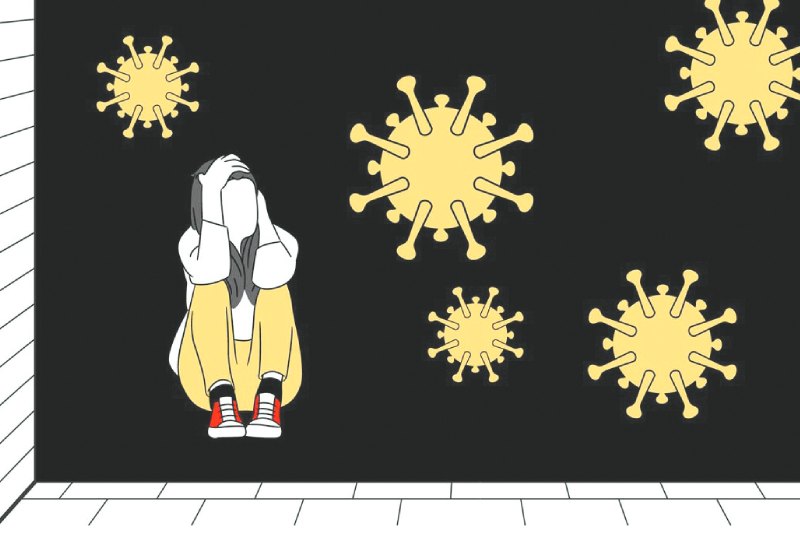
CONCERNS have been raised after a Bahrain study into the mental health impact of the pandemic found that 40 per cent of those who took part suffered from clinical depression.
The new norms of social distancing, quarantine and isolation caused post-traumatic distress in 20pc, while another 53.4pc reported perceived stigma, or fear of being discriminated against, the study revealed.
Women, college students and those with prior mental health conditions topped the list of those affected.
A total of 502 Bahrainis aged above 18 who were under isolation or quarantine took part in the survey, led by Royal College of Surgeons of Bahrain consultant family physician and women’s health specialist Dr Ghufran Jassim.
She revealed the findings at an online forum organised by the Bahrain Centre for Strategic, International and Energy Studies (Derasat).

Dr Jassim
Dr Jassim stressed the need for ‘urgent psychological intervention’ for those affected.
“Globally, studies have found a higher prevalence of people with emotional disturbances, mood alterations, irritability, insomnia, post-traumatic stress symptoms, anger and emotional exhaustion, especially among those who have been quarantined as a result of Covid-19,” Dr Jassim pointed out.
“Long-term behavioural changes like vigilant hand washing, avoidance of crowds and delayed return to normality even after many months of quarantine were also seen. Isolated and quarantined individuals reported depression, perceived stigma and to a lesser extent distress.”
Ms Bubshait
Dr Jassim said her Bahrain study too shockingly found similar patterns – with 40pc of those taking part showing symptoms of significant clinical depression and 20pc revealing post-traumatic distress.
“Scores were significantly higher in females, college students, people with history of mental health conditions, those facing a Covid-19 fatality or experiencing social conflict,” she said.
“Age was a significant variable correlated with all scales, with younger participants indicating more distress, depression, and stigma.”
The study – entitled ‘Psychological impact of Covid-19 isolation and quarantine’ – found that depressive symptoms became more pronounced as the duration of isolation increased. Significant predictors were age, sex, history of mental illness, and Covid-19 status.
Dr Jassim said women suffered more from stigma, fear and anxiety as they ‘are emotionally susceptible’, followed by college students who have been putting up with high levels of uncertainty about their future.
“Competition in the job market combined with the ambiguity about their future have left them psychologically harmed.
“Yet another group that has been impacted is those that had been prior diagnosed with psychological conditions, which include those who faced loss of dear ones to the virus.
“Awareness and early diagnosis are the two crucial steps that must be adapted – we should ensure support to the vulnerable to help them overcome the situation.”
She suggested adopting self-coping strategies as the country is prioritising resources to combat the infection spread. “Bahrain like many other countries is currently prioritising medical resources for the containment of Covid-19 and the treatment of patients with Covid-19,” she said.
“Hence there may be limited resources available for psychological services. Improving awareness and self-coping strategies are critical in this situation.
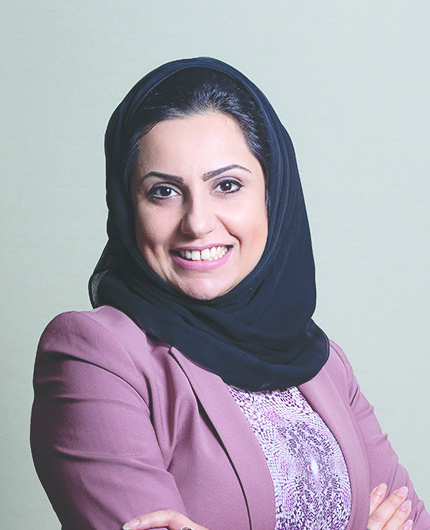
The session was moderated by Derasat Surveys and Opinion Polls Directorate director Ejlal Essa Bubshait.
&uuid=(email))