

THE average temperature in Bahrain could go up by more than 10°C by 2050, according to an expert.
This prediction is based on an assessment of the trend from 1950 to 2020, and the fact that the average temperature in the country has been rising since 2014.
According to Arabian Gulf University (AGU) Applied Physics Professor Waheeb Alnaser, policy-makers could use the data to predict the possible problems and recommend solutions.
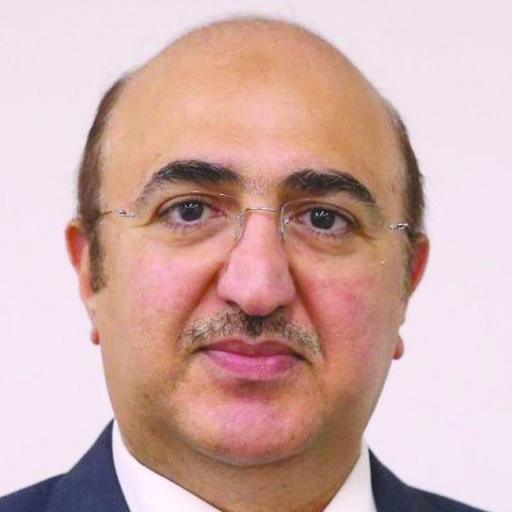
Prof Alnaser
“We have a wealth of data from 1950 and this could be used by policy-makers to analyse and assess, and come up with solutions,” he said.
Prof Alnaser was speaking to the GDN exclusively on ‘Physics of Climate Change and Global Warming’ – on which he made a presentation at the AGU.
Using the 2020 data, forecasts were made for 2050 and it was found that the average temperature in Bahrain could be 10°C higher.
He said an increase of 1°C is equal to the heat generated by the Hiroshima nuclear explosion in 1945 – enough to devastate a country’s weather pattern.
However, he pointed out that a number of factors needed to be considered while assessing the model, such as the number of houses to be built by that time, constructions, use of air-conditioning, moving cars and solid building materials, among others.
“All these could contribute to emitting more radiation, even the soil could be hotter and the roads can absorb heat.”
Prof Alnaser said it was not a mathematical model of projection on the increase in temperature, but assessing the “trend”.
An increase in temperature could lead to more demand for electricity for air conditioning, which would mean more emissions.
“Even more cars can lead to the same situation and lots of green could help and so would the use of solar energy.
“But most of the solar panels being dark in colour could end up emitting more heat at night, unless white non-metallic panels are used.
“I believe it is for a think-tank to make use of the data from 1950 onwards in Bahrain and that from 1880 world-wide to study and assess as to how sick our planet is.
“Our planet is indeed sick with the heat that is trapped and we know entropy or a gradual decline into disorder is inevitable as nothing is steady.
“The absence of northerly winds in July makes summer worse, or we could have wind and dust. Things are not what they used to be, all of this shows how sick the planet is and Bahrain too is part of the affected.”
The expert called for unified efforts to fight global warming, adding that the GCC nations contributed only 2pc of the global CO2 emissions with 50pc coming from developed countries.
“Those countries should help rectify the situation instead of blaming and punishing our region; we have our own limitations such as the hot climate and the need for desalination.
“We are doing our best, look at Saudi Arabia they are working on ways to make the Middle East green which is in the larger interests of the planet.”
raji@gdn.com.bh
&uuid=(email))