

THE defence of a US military veteran who was found guilty of selling hashish, marijuana and meth on Snapchat has claimed that the crime’s real culprit was a recently-convicted American basketball player.
In an appeals hearing yesterday, the 36-year-old’s lawyer attempted to shift the blame to the appellant’s former roommate, a renowned athlete who played basketball at international level.
Two months ago, the High Criminal Court sentenced the American to 10 years behind bars and fined him BD5,000 on a series of drug-related charges.
The former military man was also found guilty of using hashish and of possessing adult videos and photographs on his mobile phone. He had previously admitted to accusations of drug use but denied ever trafficking in illicit substances.
The appellant had been arrested after he reportedly agreed to sell five grammes of hashish for BD100 to a police informant.
The American took to the Supreme Criminal Appeals Court to contest the conviction, with lawyer Yousif Ghunaim arguing passionately in defence of his client.
“My client was apprehended after a phone call with an informant, but he called me from jail and told me that the call never took place,” Mr Ghunaim addressed judges. “He also never downloaded Snapchat on his phone.
“I requested the court to grant me the power to request phone records from the appellant’s mobile company but the company denied my request and asked for a letter directly from the court.”
Mr Ghunaim went on to claim that the ‘real drug dealer’ was the appellant’s housemate, an athlete who was recently sentenced to 10 years in jail for using, importing and selling marijuana to US Navy personnel.
“As soon as the roommate returned to Bahrain from a trip abroad, authorities were able to arrest him thanks to the information my client provided,” he added.
The lawyer went on to claim that the basketball player was tried in a separate criminal case so that his client could benefit from a law which states that those who lead authorities to other suspects may receive a more lenient sentence.
He also claimed that a police officer’s testimony to the Public Prosecution contradicted what he told judges in the High Criminal Court, first saying he did not witness the arrest then saying he did.
Documents submitted by the lawyer included an excerpt from the appellant’s interview with prosecutors that is relevant to the appeal.
“I’ve been using marijuana for six years since I retired from the Army, it calms me down,” the American told prosecutors in pre-trial hearings. “I would acquire these substances from my friend, who is a basketball player.”
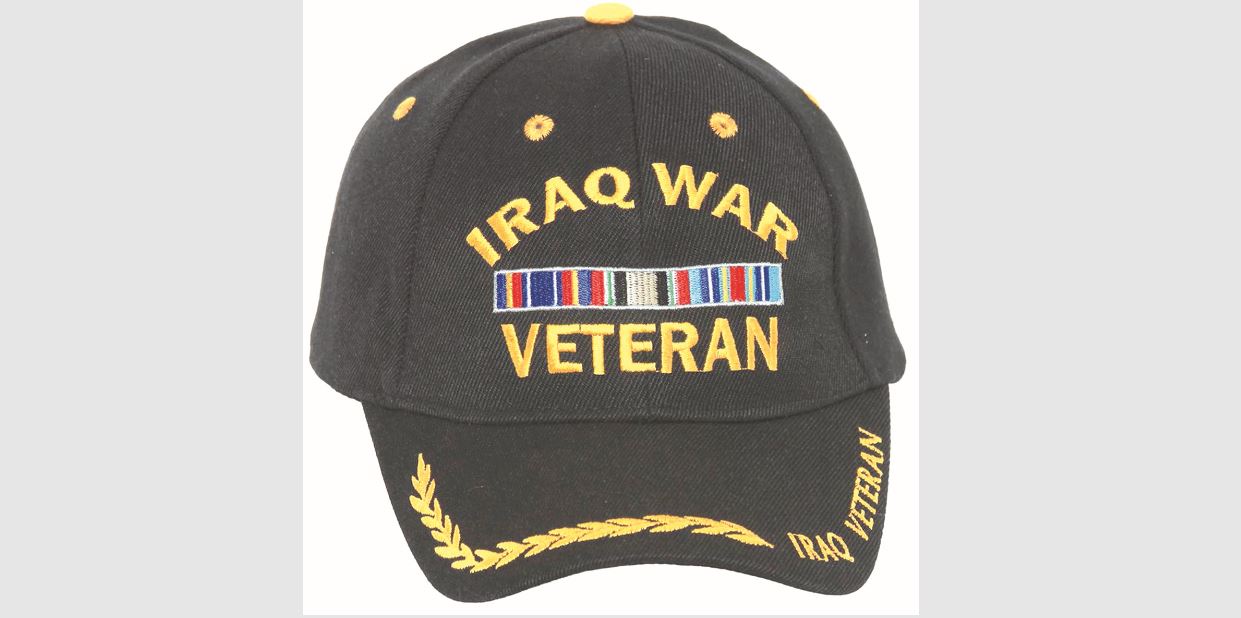
The GDN earlier reported his claims that he used cannabis to cope with depression and post-traumatic stress disorder, stating that he served during the Iraq War and was the only survivor of an explosion targeting an armoured vehicle which he was travelling in.
Meanwhile, the appellant directly addressed judges at the hearing yesterday, asking them to give him another chance. “When the CID and prosecutors asked me about him (basketball player), I told them everything and was completely honest,” he said in English.
“Even though I don’t understand Arabic and had no translator, I tried to assist them to the best of my abilities.”
The court heard that the Ohio man’s wife and two children were completely dependent on him. “I don’t want to jeopardise my family’s future,” he added.
“I’ve never been in trouble before and have no criminal record. I made one mistake and I ask for mercy and leniency in my case.”
The leading judge announced that a verdict on the appeal would be issued on June 26.
zainab@gdnmedia.bh
&uuid=(email))