

GLOBAL shares rose yesterday after benign US inflation data, on the heels of a tech-sector selloff on renewed concerns over AI spending, as investors digested a series of central bank decisions underscoring diverging monetary policies worldwide.
US consumer prices increased less than expected in the year to November, initially denting the dollar but lifting equities futures on hopes of US rate cuts next year.
Sterling bounced after the Bank of England cut interest rates but signalled limited scope for further easing.
The European Central Bank kept euro zone rates unchanged as expected and struck a more upbeat tone on the economy, which has proved resilient despite tariff shocks.
The Bank of Japan is expected to hike rates today, though traders remain uncertain about the pace of tightening in 2026.
European shares rose broadly, pushing the STOXX 600 up 0.3 per cent, while US stock futures gained 0.7pc-1.4pc, hinting at respite after Wednesday’s tech-led selloff.
The US Consumer Price Index rose 2.7pc year-on-year in November, the Labour Department said, below economists’ forecast of 3.1pc.
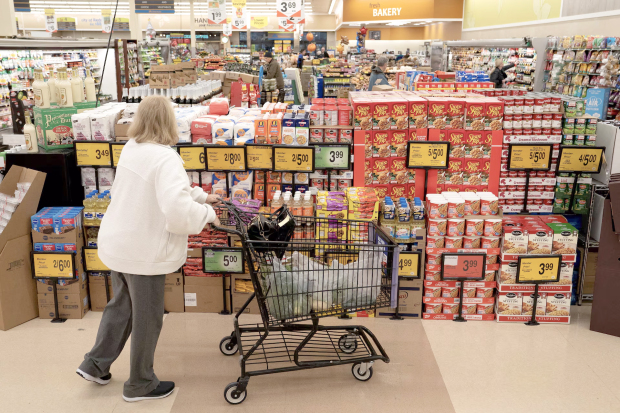
However, the moderation may be technical, and affordability concerns persist, partly blamed on import tariffs.
“Some people will dismiss this report as being more unreliable than usual, but ignore it at your own risk. Other indicators like rent costs and used car prices are consistent with the narrative that the old drivers of inflation aren’t the sources of current inflation,” said Brian Jacobsen, chief economic strategist at Annex Wealth Management.
Federal Reserve Governor Christopher Waller, seen as a candidate to be next Fed chair, said the central bank had room to cut rates given signs of labour market weakness. US President Donald Trump said late on Wednesday the next Fed chair would be someone who believed in lowering rates “by a lot.” The Fed has signalled only one rate cut next year.
Sterling rose 0.4pc to $1.343 after the BoE cut rates by 25 basis points in a narrower vote than expected.
“Clearly, there’s enough people (on the rate-setting committee) thinking: ‘actually, I don’t want to jump on this too soon. I would rather hang around and wait to see if it’s turning into a trend,’” Chris Beauchamp, chief markets analyst at IG Markets, said.
“I think the rationale is there probably, but it needs some patience to give you that green light. And I suppose you’ve only got the amber light at the moment,” he said.
The euro was last up 0.12pc at $1.1752, as ECB President Christine Lagarde began her Press conference.
Treasuries firmed, with two-year yields down 2 basis points at 3.464pc and 10-year yields off 1.8 bps at 4.133pc.
Oil prices rose for a second day as Trump’s blockade of Venezuelan exports remained in place and reports emerged of possible new US sanctions on Russian oil. US crude rose 0.6pc to $56.12 a barrel, while Brent crude rose 0.4pc to $59.93 a barrel.
&uuid=(email))