

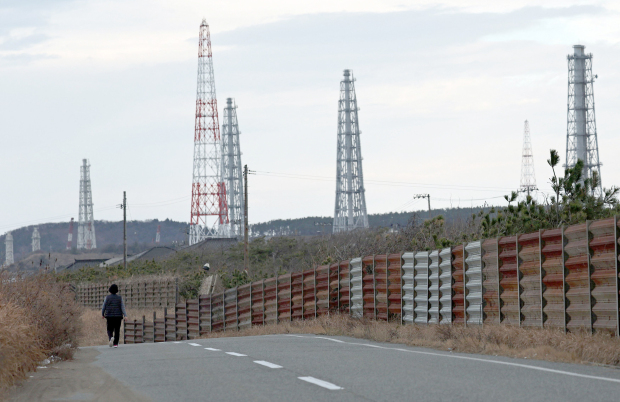
Japan took the final step to allow the world’s largest nuclear power plant to resume operations with a regional vote yesterday, a watershed moment in the country’s return to nuclear energy nearly 15 years after the Fukushima disaster. Kashiwazaki-Kariwa, located about 220km northwest of Tokyo, was among 54 reactors shut after the 2011 earthquake and tsunami crippled the Fukushima Daiichi plant in the worst nuclear disaster since Chernobyl.
Since then, Japan has restarted 14 of the 33 that remain operable, as it tries to wean itself off imported fossil fuels. Kashiwazaki-Kariwa will be the first operated by Tokyo Electric Power Company (TEPCO), which ran the doomed Fukushima plant. Yesterday, Niigata prefecture’s assembly passed a vote of confidence on Niigata Governor Hideyo Hanazumi, who backed the restart last month, effectively allowing for the plant to begin operations again.
“This is a milestone, but this is not the end,” Hanazumi told reporters after the vote. “There is no end in terms of ensuring the safety of Niigata residents.”
While legislators voted in support of Hanazumi, the assembly session, the last for the year, exposed the community’s divisions over the restart, despite new jobs and potentially lower electricity bills.
“This is nothing other than a political settlement that does not take into account the will of the Niigata residents,” an assembly member opposed to the restart told fellow legislators as the vote was about to begin.
Outside, around 300 protesters stood in the cold holding banners reading ‘No Nukes’, ‘We oppose the restart of Kashiwazaki-Kariwa’ and ‘Support Fukushima’.
TEPCO is considering reactivating the first of seven reactors at the plant on January 20, public broadcaster NHK reported.
Kashiwazaki-Kariwa’s total capacity is 8.2GW, enough to power a few million homes. The pending restart would bring one 1.36GW unit online next year and start another one with the same capacity around 2030.
“We remain firmly committed to never repeating such an accident and ensuring Niigata residents never experience anything similar,” said TEPCO spokesperson Masakatsu Takata. Takata declined to comment on timing. TEPCO shares closed up two per cent in afternoon trade in Tokyo, higher than the wider Nikkei index, which was up 1.8pc.
TEPCO earlier this year pledged to inject 100 billion yen ($641 million) into the prefecture over the next 10 years as it sought to win the support of Niigata residents.
But a survey published by the prefecture in October found 60pc of residents did not think conditions for the restart had been met.
&uuid=(email))