

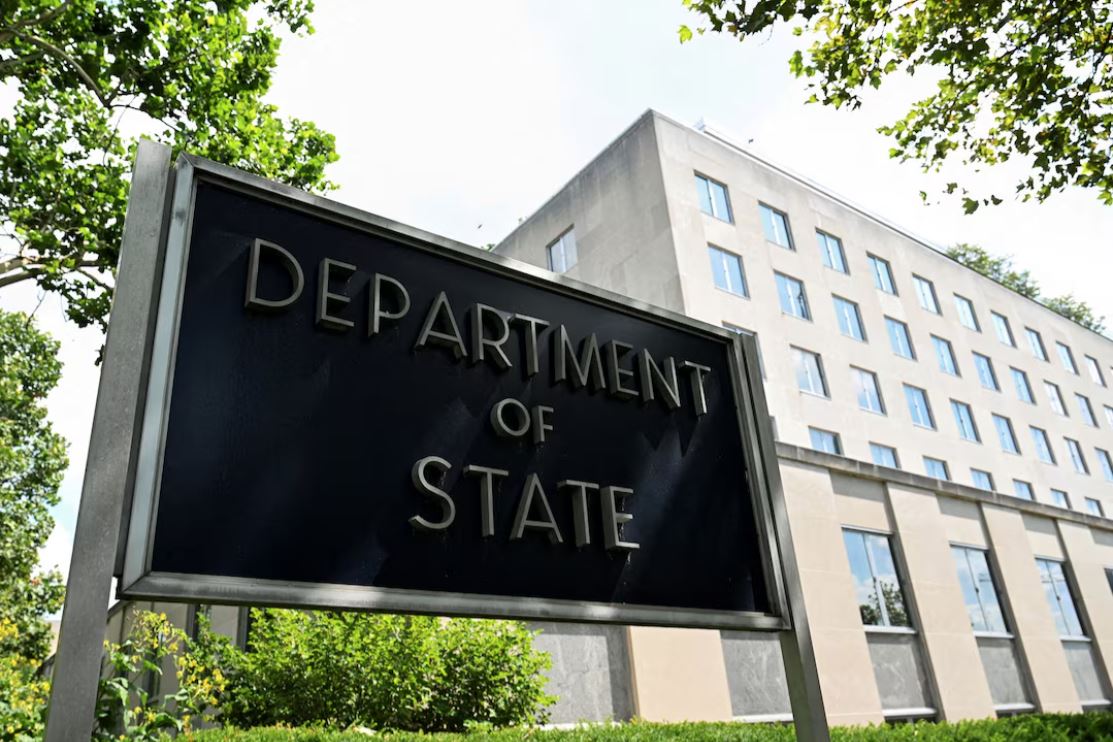
The US yesterday pledged $2 billion in assistance to tens of millions of people facing hunger and disease in more than a dozen countries next year, part of what it said was a new mechanism for the delivery of life-saving assistance following major foreign aid cuts by the Trump administration.
The US slashed its aid spending this year, and leading Western donors such as Germany also pared back assistance as they pivoted to increased defence spending, triggering a severe funding crunch for the United Nations.
The billions of dollars in assistance pledged by Washington yesterday will be overseen by the United Nations Office for the Co-ordination of Humanitarian Affairs, the State Department said, under what it described as new model of assistance agreed with the UN that aims to make aid funding and delivery more efficient and increase accountability for the spending of funds.
UN data shows total US humanitarian contributions to the UN fell to about $3.38bn in 2025, equating to about 14.8 per cent of the global sum. This was down sharply from $14.1bn the prior year, and a peak of $17.2bn in 2022.
The US and United Nations will sign 17 memorandums of understanding with individual countries identified by the US as priority countries, officials from the State Department and UN said in Geneva.
But some areas that are priorities for the UN, including Yemen, Afghanistan and Gaza, will not be receiving US funding under the new mechanism, UN aid chief Tom Fletcher said, adding that the UN will seek support from other donors to find funding for those.
Jeremy Lewin, State Department Under Secretary of State for Foreign Assistance, Humanitarian Affairs and Religious Freedom, said further countries would be added as more money is contributed to the mechanism.
“These are some countries where I think our interests overlap ... But over time, we will thoughtfully add additional countries,” Lewin said.
A UN spokesperson said Ukraine, Congo, Nigeria and Sudan were among the countries covered in yesterday’s package.
But Gaza – where aid agencies have repeatedly said far more aid needs to get into the small, crowded enclave – is not covered in yesterday’s announcement and will instead be handled on a separate track, Lewin said.
&uuid=(email))