

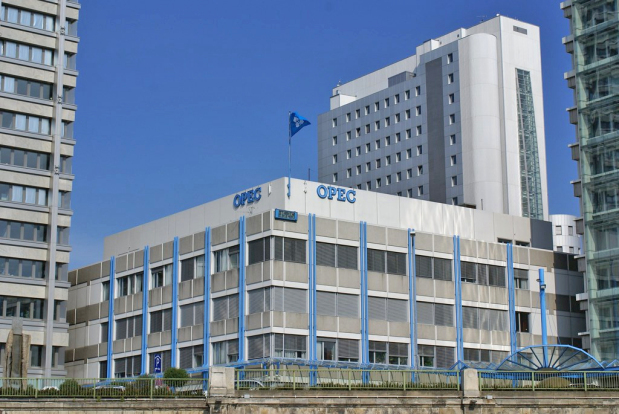
OPEC+ kept oil output unchanged yesterday after a quick meeting.
The meeting of eight members of Opec+, which pumps about half the world’s oil, came after oil prices fell more than 18 per cent in 2025 – their steepest yearly drop since 2020 – amid growing oversupply concerns.
“Right now, oil markets are being driven less by supply-demand fundamentals and more by political uncertainty,” said Jorge Leon, head of geopolitical analysis at Rystad Energy and a former Opec official. “And Opec+ is clearly prioritising stability over action.”
The eight Opec+ members – Saudi Arabia, Russia, the UAE, Kazakhstan, Kuwait, Iraq, Algeria and Oman – raised oil output targets by around 2.9 million barrels per day in 2025, equal to almost 3pc of world oil demand, to regain market share.
The eight members agreed in November to pause output hikes for January, February and March due to relatively low demand in the northern hemisphere winter. Yesterday’s brief online meeting affirmed that policy and did not discuss Venezuela, one Opec+ delegate said.
The eight countries will next meet on February 1, Opec+ said.
On Saturday, the US captured Venezuelan President Nicolas Maduro, and President Donald Trump said Washington would take control of the country until a transition to a new administration becomes possible.
Venezuela has the world’s largest oil reserves, bigger even than those of Opec’s leader Saudi Arabia, but its oil production has plummeted due to years of mismanagement and sanctions.
Analysts said it is unlikely to see any meaningful boost to crude output for years, even if US oil majors do invest the billions of dollars in the country that Trump promised.
&uuid=(email))