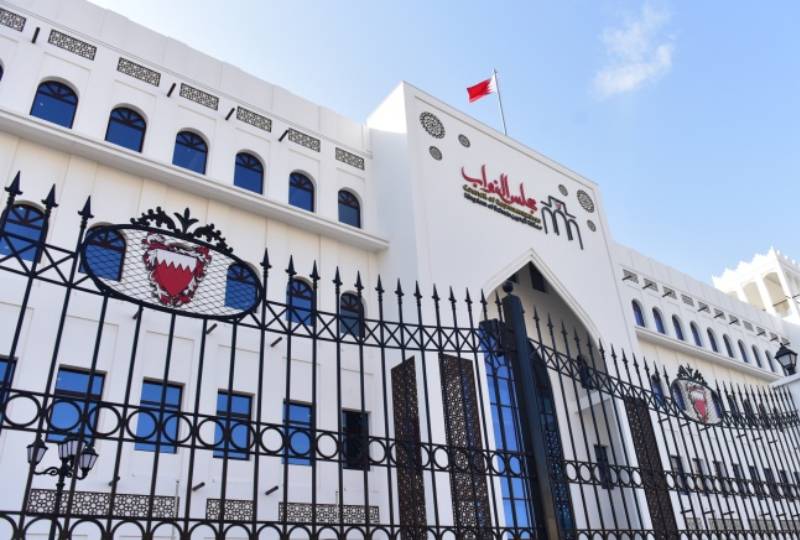
A rethink has been urged into two draft laws that seek to channel revenues from public entities and profits from state-owned companies into Bahrain’s national
budget.
The first draft seeks to amend Article (10) of the 2002 Budget Law to require that all revenues of public authorities and institutions, along with the state’s net profits from wholly-owned or partially-owned companies after legal deductions, be transferred to the General Account.
The second proposal calls for allocating a defined percentage of net profits – no less than 50 per cent – generated by wholly state-owned companies, particularly Mumtalakat Holding Company and Bapco Energies, to the national budget, alongside enhanced parliamentary oversight of their audited financial statements.
The government, and the ministries of Finance and National Economy, Industry and Commerce and Oil and Environment, as well as Bahrain Mumtalakat Holding Company and the Bahrain Chamber expressed reservations over the proposals.
The government said the goals of the draft laws were already being met under existing legislation.
It warned that compelling all revenues and profits to flow into the General Account would expose the state budget to the full costs, losses and debts of public bodies and state-owned firms, potentially increasing the fiscal deficit rather than strengthening public finances.
The government also stressed that many entities operate under special laws granting them independent budgets, and that overriding these arrangements could conflict with established legal frameworks.
The Finance and National Economy Ministry underlined the importance of preserving the commercial and financial independence of government-owned companies.
It cautioned that mandatory profit-transfer ratios could undermine cash-flow management, conflict with the 2001 Commercial Companies Law and breach financing agreements that require companies to maintain specific liquidity and capital levels.
The ministry also raised constitutional concerns over applying such rules to firms in which the government holds minority stakes.
Bahrain Mumtalakat Holding Company warned that the proposals could weaken its role as the kingdom’s sovereign wealth fund.
The company said profit allocation must remain flexible to support long-term investment strategies, self-financing and competitiveness, cautioning that reduced autonomy could erode investor confidence and limit strategic partnerships.
Mumtalakat highlighted that it has contributed about BD200 million to the state budget since 2017, with annual contributions rising to BD40m in the 2023-2024 budget.
The Chamber urged legislators to reconsider, warning that rigid profit-transfer requirements could strain company liquidity and hinder expansion plans.
It said the proposals risk duplicating existing oversight mechanisms and could disrupt timely commercial decision-making.
The proposals were reviewed by Parliament’s financial and economic affairs committee, which recommended approval.
“Our objective is to enhance transparency and parliamentary oversight of public revenues, while ensuring that any legislative framework balances fiscal discipline with the operational needs of state-owned companies,” committee chairman Ahmed Al Salloom said.
Parliament is expected to discuss the proposals tomorrow.