

A new plan to uproot all Conocarpus trees – known colloquially as ‘devilish’ plants – in residential neighbourhoods has been launched amid mounting concerns over widespread damage to infrastructure, environmental harm and public health risks.
The Southern Municipal Council has unanimously approved a proposal by Councillor Abdulla Darraj following a recommendation by the services and public utilities committee, chaired by Ali Al Shaikh.

Mr Darraj
The fast-growing Conocarpus, also commonly labelled locally as Damas, has long been blacklisted for its aggressive root system, which spreads horizontally in search of water and penetrates sewage lines, freshwater pipes, electricity and telecommunications cables as well as pavements, roads and building foundations.
“This proposal came after numerous complaints from residents about the serious damage these trees cause,” said Mr Darraj. “Their roots destroy infrastructure, their leaves and seeds create constant litter, and their fruits emit an unpleasant odour that attracts flies and mosquitoes.”
He added that residents had also raised concerns about the trees becoming a haven for insects and snakes, while consuming large quantities of water and preventing other plants from growing.
“These trees may appear beneficial, but in reality they are harming homes, neighbourhoods and the local environment,” Mr Darraj said. “That is why a clear ban in residential areas has become necessary.”
In its study, the committee concluded that Conocarpus trees pose multiple environmental and structural risks, noting that they grow rapidly, invade uncultivated land and alter soil properties, making it unsuitable for other vegetation.

Mr Al Shaikh
Mr Al Shaikh said the continued planting of Conocarpus trees in residential areas is incompatible with public safety and environmental protection.
“The decision comes against the backdrop of years of complaints nationwide about the tree, which is common across the GCC due to its ability to withstand extreme heat and arid conditions,” he said. “Despite an earlier ban on importing, selling and planting new Conocarpus trees, introduced by the Municipalities Affairs and Agriculture Ministry in 2022, existing trees remain widespread and continue to cause damage.”
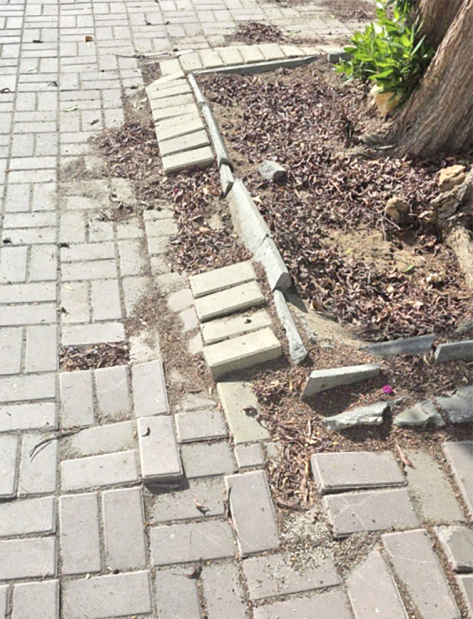
Damaged public utilities
Under current regulations, individuals responsible for planting a Conocarpus tree that damages infrastructure can be ordered to remove it within one month, failing which the municipality may uproot it at the owner’s expense. However, no comprehensive removal programme has been implemented.
Council members hope the latest move will strengthen regulatory action, limit future damage and protect residential areas from further deterioration.
“This is about safeguarding neighbourhoods, public infrastructure and quality of life,” Mr Al Shaikh said. “The council’s decision reflects the scale of the problem and the urgency of addressing it.”
It has been forwarded to Municipalities Affairs and Agriculture Minister Wael Al Mubarak for review.
mohammed@gdnmedia.bh
&uuid=(email))