

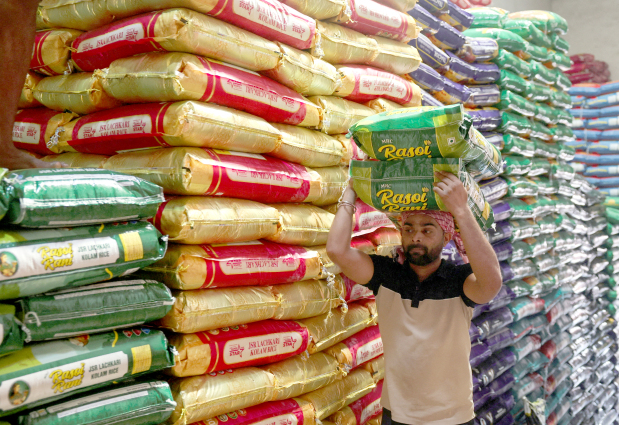
INDIA’S basmati rice exports to Iran have slowed to a near standstill amid the protests gripping the country, with suppliers wary of new deals due to the risk of non-payment and potential additional US tariffs, trade officials said.
US President Donald Trump said on Monday that any country trading with Iran would face a 25 per cent tariff on its commerce with the US, a move exporters say has made Indian suppliers even more reluctant to sign new contracts with Iranian buyers.
“The proposed 25pc levy under the Trump framework adds an additional challenge to the Indian basmati rice sector,” said Akshay Gupta, head of bulk exports at KRBL Ltd, a leading rice exporter.
India is Iran’s largest rice supplier, with the staple accounting for nearly two-thirds of all Iranian imports from the country.
“We’re worried about the payments for rice shipped in the last two months,” said a New Delhi-based exporter, who declined to be named.
“In some cases, buyers report they did not receive the full quantity; in others, they have fled the country because of the ongoing protests,” the exporter said.
Importers have conveyed their inability to honour existing commitments and remit payments to India, creating heightened uncertainty for exporters, Dev Garg, vice president of the Indian Rice Exporters Federation, said in a statement.
India’s Ministry of Commerce and Industry declined to comment.
Iran previously supplied foreign exchange to food importers at a subsidised rate, but it has now suspended that provision, effectively making imports much more expensive for buyers, said Vijay Setia, a top rice exporter.
India’s exports to Iran, largely food items such as rice, fell to $1.24 billion in the 2024–25 fiscal year ending March from $3.51bn in 2018–19, while imports declined to $440 million from a peak of $13.53bn in 2018–19, Indian government data showed.
Major Indian exports to Iran include basmati rice and pharmaceuticals, while imports consist mainly of fresh and dried fruits.
&uuid=(email))