

US consumer prices increased in December, lifted by higher costs for rents and food as some of the distortions related to the government shutdown that had artificially lowered inflation in November unwound, cementing expectations the Federal Reserve would leave interest rates unchanged this month.
But rate cuts this year remain on the table, with the report from the Labour Department yesterday showing moderate underlying inflation pressures last month, which economists said suggested the import tariffs pass-through to prices was slowing.
Nonetheless, expensive food, with prices increasing by the most in more than three years, and rents underscored the affordability crisis facing President Donald Trump, partly blamed by economists on the White House’s policies, including sweeping import tariffs.
Trump has made a flurry of proposals to lower the cost of living, including banning institutional investors from buying single-family homes, as well as instructing the Federal Housing Finance Agency – which oversees mortgage finance giants Fannie Mae and Freddie Mac - to purchase $200 billion of bonds issued by the two companies in a bid to bring down mortgage rates.
High inflation has eroded Trump’s approval ratings and will be a political hot button this year as Trump and his fellow Republicans battle to retain control of the US Congress.
“Distortions caused by the government shutdown have made the inflation data harder to interpret, but the recent run of figures suggests inflation has peaked,” said Michael Pearce, chief US economist at Oxford Economics. “We expect officials are happy to remain on extended pause, as they wait and see the impact of their recent string of rate cuts, but with inflation fears fading, officials will feel freer to respond to downside risks to the labour market, should conditions deteriorate.”
The Consumer Price Index rose 0.3 per cent last month, the Labour Department’s Bureau of Labour Statistics said. A 0.4pc increase in the cost of shelter, which includes rents, was the main driver of the rise in the CPI.
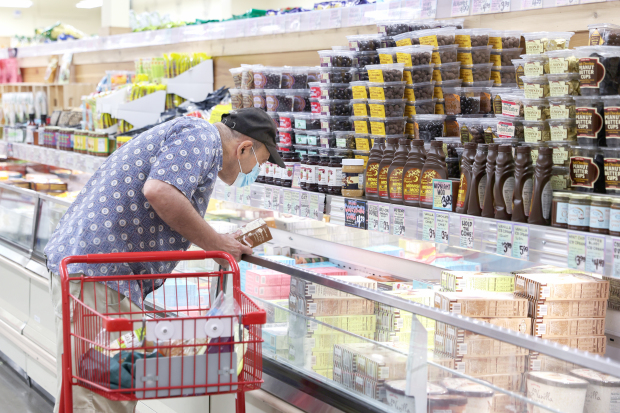
Food prices surged 0.7pc, the largest gain since October 2022. There were notable increases in the prices of fruits and vegetables as well as dairy and related products. Beef prices, which have angered many Americans, rose 1.0pc, with steaks soaring 3.1pc. Coffee prices rose 1.9pc, reflecting tariffs. But egg prices decreased 8.2pc.
The cost of food at restaurants and other outlets rose 0.7pc.
Energy prices increased 0.3pc as a 4.4pc surge in natural gas prices offset a 0.5pc decline in gasoline. Electricity prices eased 0.1pc. In the 12 months through December, the CPI advanced 2.7pc, matching November’s gain. The increase in the CPI was in line with economists’ expectations.
&uuid=(email))