

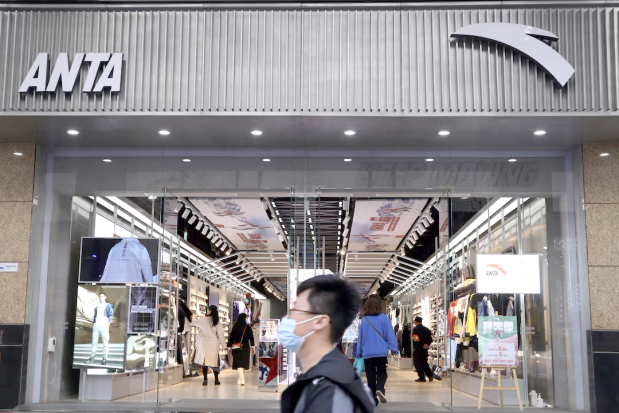
China's biggest sportswear brand Anta Sports Products has struck a deal to buy a 29.06 per cent stake in Puma from the Pinault family for 1.5 billion euros ($1.8bn), making it the biggest shareholder in the German sportswear maker.
Anta said it would use its expertise to help struggling Puma increase its sales in the lucrative Chinese market. The deal also helps Fila owner and Salomon backer Anta in its quest to become a more global business.
Pinault family investment vehicle Artemis, which also controls Paris-listed luxury conglomerate Kering, will sell its stake to the $27.8 billion Hong Kong-listed sportswear company for 35 euros per share in cash.
The deal will help Artemis reduce its debt load, a spokesperson for the company said.
Puma shares surged 17pc initially and were up 9pc yesterday, still near their lowest levels in a decade.
The offer represents a 62pc premium to Puma’s closing share price of 21.63 euros on Monday, and comes as the 3.2bn euro ($3.79bn) company tries to revive its fortunes after losing ground to Nike, Adidas, and newer brands like On Running.
Reuters was first to report the deal earlier this month.
“ANTA aims to empower Puma to fully realise its brand potential and its heritage to create long-term value for global consumers and stakeholders,” Puma CEO Arthur Hoeld said. “We see this as a vote of confidence in PUMA and its strategic direction.”
Puma has more scope for growth in China, a senior Anta executive told Reuters.
“Puma has more potential in the Chinese market, where they are underrepresented with only 7pc of their global revenues. We have a lot of insight on how to make Puma more successful in China,” said Wei Lin, Anta global vice-president for sustainability and investor relations.
Anta, which has a track record of acquiring and revamping Western sports labels, said Puma complements its existing brands and could help it compete better internationally.
Anta is the largest shareholder of Amer Sports, which owns Salomon, Arc’teryx, Wilson, and other brands. Amer has grown Salomon into a major sneaker brand and reported strong revenues even as Nike and Adidas struggled.
&uuid=(email))