Bahrain has taken all measures to strengthen its food security system, with approximately 492,000 tonnes of agricultural and animal products undergoing inspection last year, a top official has said.
Nearly 174,000 heads of livestock were also inspected to ensure safety and quality, safeguard consumer health, and protect animal and plant resources.
Municipalities Affairs and Agriculture Ministry’s Agriculture and Livestock Affairs Under-Secretary Asim Abdulla stressed that the ministry has implemented an integrated framework of monitoring procedures for agricultural and animal products entering the country. “During 2025, around 492,000 tonnes of agricultural and animal products were inspected, alongside 174,000 heads of livestock,” Mr Abdulla said.
“These efforts contributed to ensuring the smooth flow of supplies of meat, livestock, vegetables and fruit throughout the year, thereby supporting the national food security system.
“Total meat imports of all types amounted to around 78,000 tonnes last year, all of which were fully subject to approved veterinary inspection and monitoring procedures to verify compliance with health requirements before being released to local markets.
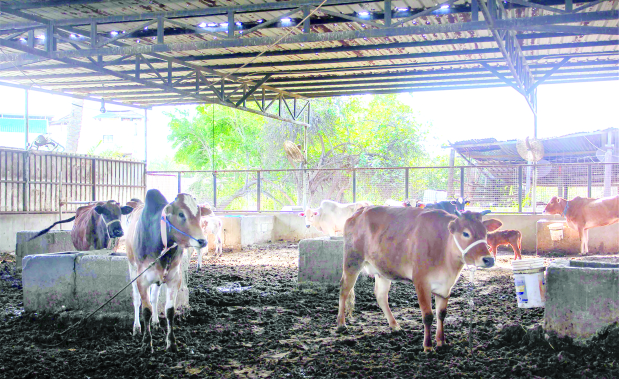
“Livestock were handled through veterinary quarantine facilities in accordance with precise quarantine and inspection programmes, and were verified to be free from epidemic and infectious diseases, contributing to the protection of animal wealth and public health.”
Mr Abdulla confirmed that agricultural quarantine departments also thoroughly inspected consignments of fruit and vegetables.

Mr Abdulla
He stated that inspectors ensured that the products met the approved requirements before they were allowed entry into the country.
“During 2025, agricultural departments and veterinary quarantine facilities carried out more than 20,000 inspection and examination procedures on consignments across various entry points,” said Mr Abdulla.
“This reflects the efficiency of the preventive control system that is in place and its high level of readiness in handling import movements.”
Mr Abdulla stressed the importance of continued development of quarantine procedures and the strengthening of co-ordination with relevant authorities. He confirmed the ongoing monitoring of imports to ensure the sustainability of food supplies and to reinforce public confidence in food safety and quality.
The GDN reported in October last year that Bahrain’s strong inter-sectoral co-operation has been a key factor in safeguarding livestock from diseases and strengthening national food security.
Health Ministry public health director Dr Mohammed Al Wadi stated that Bahrain’s livestock disease monitoring and prevention efforts begin long before any illness reaches the country.
He explained that officials continuously track agricultural diseases – both communicable and non‑communicable – around the world. Whenever a disease is detected in any region, authorities immediately assess the potential risk of it spreading to Bahrain and implement proactive measures to prevent its entry and transmission.
Dr Al Wadi reassured the public that this early‑warning approach ensures rapid response and strengthens the country’s overall food security.
nader@gdnmedia.bh