

Toyota's plan to take an affiliate private looked unremarkable at first. Instead, the bid for Toyota Industries, or Tico, ignited a battle between activist investors demanding top dollar and a Japanese corporate culture that prizes stakeholder harmony over shareholder returns.
This month, Toyota sweetened its bid by 15 per cent to around $27.8 billion but failed to quell the uprising.
Elliott Investment Management said the revised 18,800 yen-a-share offer undervalued Tico by almost 40pc – and potentially much more as a standalone entity.
The US-based activist fund, which holds 6.7pc of Tico, has attacked the bid as opaque and said it falls short of basic governance standards.
Since Toyota announced its initial 16,300 yen-a-share offer in June, Elliott has led the charge for a higher price.
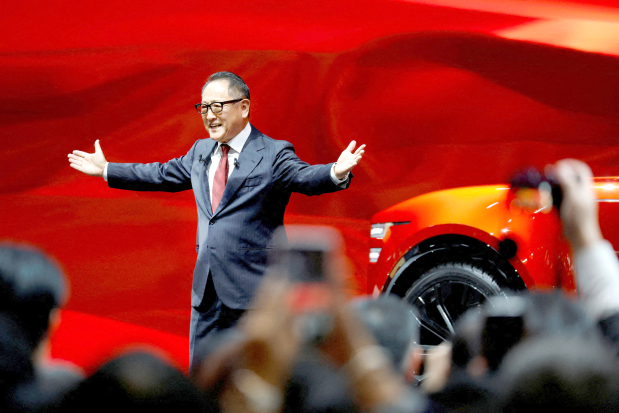
The standoff pits Paul Singer’s fund, known for extracting big paydays from Argentina and Peru, against the world’s largest automaker and its chairman, Akio Toyoda.
The 69-year-old grandson of Toyota’s founder has a personal stake in the outcome: He’s investing about $6.5 million to boost his Tico holding from 0.05pc to 0.5pc and tighten his grip on the maker of forklifts, engines and RAV4 SUVs.
The pushback threatens to upend Toyota’s plans to revamp a key affiliate.
Elliott has urged investors not to take the offer price, arguing Tico would be worth more independent – a gambit that could force Toyota to pay significantly more or kill the deal outright.
This account of how a routine buyout turned into a corporate battle is based on regulatory filings and interviews with more than two dozen people, including investors and Toyota group executives.
It shows how the transaction has become a test case for dealmaking in Japan – and whether the principle of “sanpo yoshi,” which prizes benefits to all stakeholders and society, can withstand pressure from shareholder activists.
“Over the years, Toyota has tended to annoy investors because it doesn’t really care about shareholders,” said Stephen Codrington, CEO of research firm Codrington Japan.
Toyota rejects that view. A representative said the group sees shareholders as important and their support as critical to growth.
In an interview with Reuters just before the bid was raised, Masahiro Yamamoto, the automaker’s chief risk officer, said it was incorrect to portray talks with shareholders as confrontational.
A representative for Toyota Fudosan, the real-estate unit leading the buyout, this week defended the offer, saying it reflected Tico’s intrinsic value and represented a premium to historic market prices.
A Tico representative said it had taken steps to ensure the bid was transparent, including consulting outside directors and independent firms, and received three fairness opinions.
An Elliott spokesperson declined to comment in response to written questions from Reuters.
Founded in 1926 as Toyoda Automatic Loom Works, Tico later added an automobile division, spun off as Toyota Motor in 1937.
Toyota says it wants to take Tico private to remove the burden of short-term profit targets as the group pivots to connected cars and advanced software.
&uuid=(email))