Parliament has unanimously approved three urgent proposals to address housing and cost-of-living pressures on Bahraini families.
MPs have called on the government to facilitate home renovation loans for Mazaya housing beneficiaries, allow separate electricity meters for multiple families living in one home, and launch a temporary support programme for low-and middle-income families during Ramadan.
Speaking during the session, which lasted for seven-and-a-half hours, Strategic Thinking Bloc spokesman MP Khalid Bu Onk said the first proposal addresses ‘a long-standing injustice’ faced by Mazaya beneficiaries.
“Many citizens are unable to renovate or expand their homes simply because their property deeds are mortgaged to financing banks,” he said.
“We are calling for a joint mortgage system between the Housing Bank and the financing bank, similar to other schemes already in place, so families can improve their homes without legal or financial conflict.”
He stressed that denying renovation loans has negatively affected family stability.
“Housing programmes are meant to enhance quality of life, not freeze families in homes that no longer meet their needs,” he added.
The second proposal focuses on electricity tariffs, particularly for extended families sharing a single home.
MP Dr Abdulhakim Al Sheno said the current system places an unfair burden on households forced into higher tariff brackets due to shared meters.
“Several families living under one roof are treated as one consumer, which pushes them into higher electricity tariffs that do not reflect actual individual consumption,” he explained.
“This is especially damaging for retirees and low-and middle-income earners,” Dr Al Sheno added.
“Allowing separate electricity meters for each family is a matter of fairness. It reduces financial pressure, prevents disputes within households and helps rationalise consumption without costing the state additional subsidies.”
He added that the proposal aligns with constitutional principles of justice, social security and equal opportunity, while improving the efficiency of subsidy management.
The third proposal seeks to cushion families from financial strain during Ramadan through a targeted and temporary support programme.
MP Dr Muneer Suroor said the initiative recognises the unique pressures the holy month places on household budgets.
“Ramadan brings higher food, social and consumer expenses, while incomes remain fixed,” he said.
“Families do not need permanent exemptions – they need smart, temporary support.”
He explained that the proposal includes digital Ramadan vouchers for essential goods, co-ordinated discounts at malls and stores, a one-month postponement or exemption from non-essential government fees, and free access for eligible families to selected government events.
“This is a humane and practical approach that can be implemented quickly through existing systems, without placing long-term burdens on the state budget,” he said.
Dr Suroor stressed that the programme also protects the dignity of families who may be reluctant to seek help.
“It ensures that those in need feel supported and valued during a month of great religious and social significance,” he added.
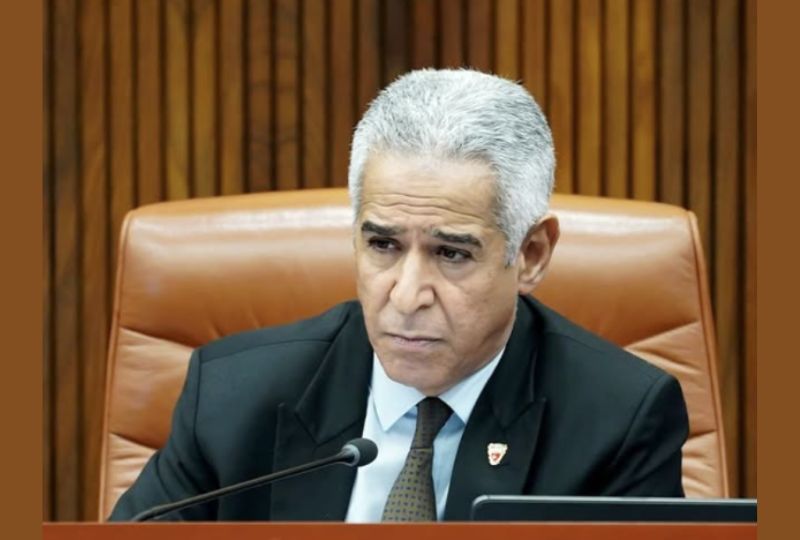
Parliament acting Speaker Abdulnabi Salman said the unanimous vote sends a clear message on the urgency of these issues, as families face rising expenses and seasonal financial pressures.
Parliament also unanimously approved an urgent proposal by 36 MPs to issue a statement on the BDF anniversary, which falls on February 5, and deputised Mr Salman to issue it on their behalf.