

The Education Ministry has been urged to adopt comprehensive training measures in both public and private schools to better support students diagnosed with Attention Deficit Hyperactivity Disorder (ADHD).
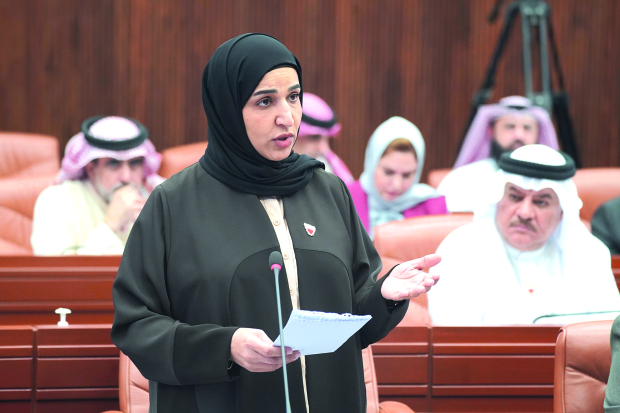
Five MPs, led by Jalila Al Sayed, have called for the launch of a national project focused on early diagnosis, specialised support and inclusive educational practices for students with ADHD – a developmental disorder that directly affects learning, behaviour and academic achievement.
Ms Al Sayed said the proposal seeks to ensure that no child is left behind because of unmet educational needs.
“Students with ADHD are often misunderstood, marginalised or even forced out of schools because the system is not equipped to support them,” she said.
“This proposal is about fairness, inclusion and giving every child the opportunity to succeed academically and socially.”
The MPs urged the ministry to introduce targeted policies and training programmes for psychological counsellors, teachers and school administrators. They also recommend restructuring school counselling and special education departments to include specialists such as behavioural therapists, occupational therapists and trained counsellors.
Among the key measures outlined are early screening and diagnosis, nationwide surveys to assess the prevalence of ADHD, tailored learning plans, modified assessment methods and continued support for students in higher grades to minimise the disorder’s long-term impact on comprehension, writing and expression.
“This is not just an education issue, it is a national responsibility,” Ms Al Sayed said. “Early intervention makes a profound difference in a child’s life, reducing school failure, behavioural problems and future social challenges.”
The services committee examined input from the ministry, the Bahrain ADHD Society and parliamentary research bodies. International best practices, including successful regional experiences, were also reviewed.
In its submission, the ministry reaffirmed its commitment to supporting students with psychological and behavioural disorders, highlighting existing measures such as the Centre for Special Educational Needs, specialised diagnostic testing, behaviour modification programmes and learning difficulties support plans.
However, MPs backing the proposal argue that current efforts need to be consolidated into a clear national framework that ensures consistency across schools – particularly in the private sector – and guarantees equal access to support services.
“Many families struggle in silence, navigating fragmented systems or facing school rejections,” Ms Al Sayed added. “We need a structured national approach that recognises ADHD as a real educational challenge and responds to it with compassion and professionalism.”
Globally, it is estimated that approximately five per cent of children and adolescents are affected by ADHD, while amongst adults, that number drops by half.
The proposal will be debated in Parliament on Tuesday.
&uuid=(email))