

Thousands of businesses won a hard-fought victory when the US Supreme Court ruled to overturn the White House’s emergency tariffs.
The process of getting refunds has only just begun. In a decision that could ripple throughout the global economy for years, the court ruled that US President Donald Trump was not allowed to use the 1977 International Emergency Economic Powers Act to levy broad tariffs on imports.
The corporate world has spent months adjusting to Trump’s often-evolving trade policy and his central use of tariffs for his agenda, not just to address trade issues but also as a cudgel against other governments’ policies and actions. Now, thousands of businesses – and not just those that sued the administration – will decide whether to pursue refunds, as it means more than $175 billion in US tariffs collected could be refunded, Penn-Wharton Budget Model economists said yesterday.
“We don’t have 100 per cent of the facts, but we’ve been waiting for this and so many people have, so it is definitely a good day,” said Michael Wieder, co-founder of premium US-based baby products company Lalo, which plans to seek about $2 million in refunds. That process is expected to be slow.
Companies across consumer goods, automotive, manufacturing and apparel have been hit particularly hard as they depend on low-cost production in China, Vietnam, India and other sourcing hubs. Trump’s duties raise the cost of importing finished goods and components, squeezing margins and disrupting finely tuned global supply chains.
More than 1,800 tariff-related suits have been filed with the US Court of International Trade, which has jurisdiction over tariffs and customs matters, since April, compared with less than two dozen such cases in all of 2024.
Prominent plaintiffs include subsidiaries of Japan’s Toyota Group, US big-box retailer Costco, tyre maker Goodyear Tire & Rubber, aluminium company Alcoa, Japanese motorcycle maker Kawasaki Motors and Paris-listed eyewear giant EssilorLuxottica.
Several lawyers said many more companies around the globe are likely to join the suits, having waited until the ruling to not draw unwanted attention from the White House. They’ll join a queue of companies who could be waiting for months to years to recoup the billions of dollars in import duties.
“Companies face the challenge of gathering detailed import data to calculate the tariffs paid under various regimes, which were applied over different time periods. Even multinational firms may not have all their data neatly organised,” said Nabeel Yousef, partner at law firm Freshfields.
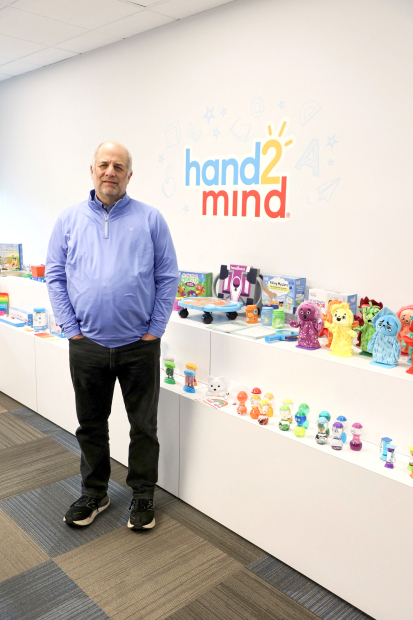
Illinois-based Learning Resources, which imports most of the educational toys it sells from China, was one of the first small businesses to bring a lawsuit against Trump’s tariffs last April. Along with other importers, the company could now be entitled to a share of billions of dollars in refunds.
“My hope is that this ruling is an opportunity for everyone to take a breath and think about what is important and what needs to get done,” CEO Rick Woldenberg told Reuters yesterday.
&uuid=(email))