


Students across the GCC are grappling with anxiety and uncertainty as the delay in CBSE Class 12 board examinations continues amid ongoing geopolitical tensions in the Middle East.
The postponement of exams in countries including Bahrain has left thousands of students and their families in a state of confusion, raising concerns about both their academic future and mental wellbeing.
While the boards have assured students that revised examination dates will be announced soon and advised them to stay in contact with their respective schools for updates, the prolonged uncertainty is beginning to take a psychological toll.
Aleesha Anil Das, a Class 12 student, shared her concerns about how the delay could affect her plans for higher education.
“Several entrance examinations I hope to apply for will begin accepting applications from mid-April. The delay in board examinations could also push back the announcement of results, potentially clashing with the application timelines for competitive entrance tests. This uncertainty is creating a worry about a possible domino effect on my academic plans, leaving us catastrophising over what will happen,” she said while talking to the GDN.
“Missing important entrance exam deadlines could also force us to either take a gap year to apply again to our preferred colleges or settle for alternatives. Students are in urgent need of clarity and a concrete plan,” she added.
Other students are concerned about how the revised examination schedule might affect their preparation.
Neeha Elsa Jacob said many streams still have several papers left, and she fears that if the exams are delayed further, the new timetable might offer little or no gap between papers.
“Shorter preparation time between subjects, or no time at all, will negatively impact both our performance and final results,” she added.
Ayush, a CBSE student, said the lack of a confirmed timetable has disrupted students’ study routines.
“We do not know which subjects will appear first in the revised schedule, making it difficult to decide what to focus on while studying. Things are very unpredictable, and so are our patterns.”
At times, he admitted, the unpredictability has even led some students to abandon their textbooks, wondering whether the exams might eventually be cancelled.
Parents have also voiced frustration over what they perceive as a lack of clear direction from the concerned authorities in India. Many believe the prevailing conditions in GCC countries make conducting large-scale physical examinations challenging.
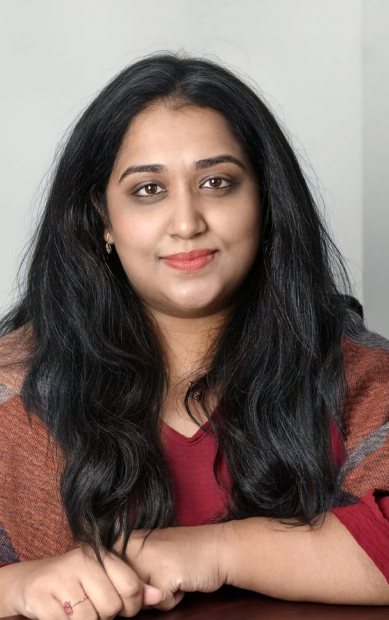
Dr Abraham
“Ideally the government should pitch in and discuss possible solutions rather than procrastinating any discussion. Due to this unfortunate situation, huge number of students and their families are in limbo without any clear plans, simply waiting for clarity from CBSE,” said a concerned mother.
“While we don’t know what could be an ideal solution to this problem, one option is to find alternative ways to award marks to students based on established benchmarks and cancel the examinations for GCC area or decentralise the exam for the students to India with the same hall ticket,” she added.
Mental health experts warn that prolonged uncertainty during an already stressful academic phase can significantly impact students’ psychological wellbeing.
Clinical psychologist at Balance Counselling Dr Anisha Abraham said predictability plays a crucial role in helping students manage exam pressure.
“Lack of clarity is causing anxiety as students constantly worry about what might happen next. This prolonged tension is distancing students from their studies and such reactions are understandable for their age.”
Speaking to GDN, Dr Abraham also pointed out that the tense regional situation is affecting children’s sleep patterns.
“With alerts and sirens often occurring at night these days, students’ rest is being disrupted, which in turn significantly impacts their physical health, and mental health too. Prolonged exposure to such stressors could lead some children to develop catastrophic thinking patterns.”
“The situation is affecting not only students but also parents, who are experiencing a ‘fight-or-flight’ response due to the prevailing uncertainty. While families understand that they are safe, the lingering fear continues to affect their emotional state.”
Dr Abraham urged parents to remain calm and composed, stressing that children often absorb the stress of their parents first-hand.
Maintaining a stable and reassuring environment at home, she said, is crucial for helping students cope during this uncertain period.
The current crisis stems from the escalating conflict in the region after the United States and Israel launched military strikes on Iran on February 28.
Iran subsequently carried out retaliatory attacks targeting Israel and American military installations across several Gulf countries, including Bahrain, the UAE, Kuwait, Jordan and Saudi Arabia.
CBSE Class 10 board exams for schools in the Middle East have been cancelled, while Class 12 exams scheduled between March 9 and March 16 have been postponed.
pratyoosh@gdnmedia.bh
Quick guide to coping with exam stress
Do’s for students
– Maintain a consistent study routine
– Focus on core subjects regularly
– Stay updated through official sources
– Practice time management
– Take care of physical and mental health
– Talk about concerns
Don’ts for students
– Do not overthink worst-case scenarios
– Avoid unverified information
– Avoid social media
– Do not neglect sleep
– Avoid comparing yourself constantly with others
Do’s for parents
– Maintain a calm home environment
– Provide emotional support to children
– Monitor mental health
Don’ts for parents
– Do not panic or express excessive anxiety in front of children
– Avoid using social media infront of the students
– Do not spread rumours or speculate about outcomes
&uuid=(email))