

Experts have advised parents to model calm behaviour, be transparent and keep the young ones busy to navigate the mental health impact of loud explosions and warning sirens on their children.
Since the start of Iranian attacks on American bases in Bahrain and other Gulf states on Saturday, many helpless parents have come forward recounting their experiences of trying to remain composed while also keeping their children from getting too worked up.
Defence forces have been sounding sirens as a safety warning against potential danger. These could include possible drone attacks and subsequent debris damage from missile interceptions. Additionally, public alert SMSes are being sent on mobile phones as well.
“It is a difficult time for Bahrain and these circumstances can have a huge impact on children,” mum-of-a-teenager Nada Fardan told the GDN. “As a mother, I had to comfort and reassure my son who was terrified from the sirens and interceptor sounds,” added the Sanad resident, who is also children’s books author.
Malaysian expatriate Muhamad Shaidon, who resides in Juffair, and his wife and two daughters, aged 10 and 13, were ‘jolted’ by the sounds.
In an interview with news agency Bernama, the finance professional recounted the anxious moments, noting that they stayed calm and indoors, and eventually moved to a hotel away from the area.
Juffair is the base of the US Navy’s Fifth Fleet – a key military facility in the Gulf region – and was the first to bear the brunt. Many residential buildings in the area were also affected later.
While it is challenging to explain uncertainty to children, it is even more difficult if they are on the autism spectrum.
Bahrain-based special needs advocate Amena Shahrukh has been inundated with messages from parents who have differently-abled children.
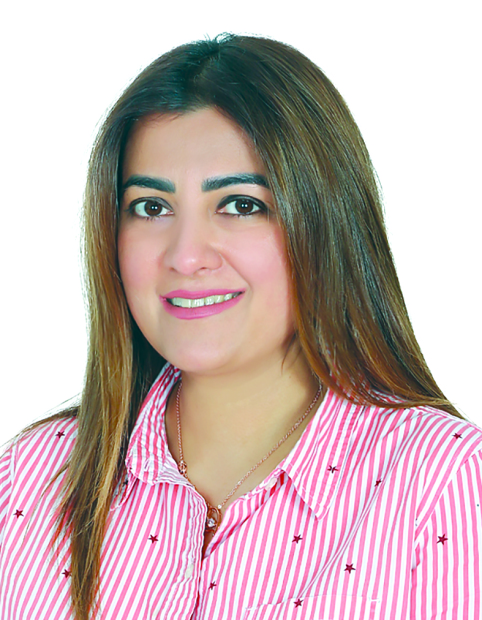
Ms Shahrukh
“They are unable to sleep due to the sirens or sudden alert SMSes. I have been advising parents to remain calm because children get worked up if they see parents stressed,” Ms Shahrukh told the GDN.
She is the founder of Shahzaib’s Club House – a platform for differently abled individuals.
Bahrain-based licensed psychologist Dr Anne-Laure Renard endorsed that children observe actions more than words. “Children do not pay attention to what we tell them, but more how we behave, especially the younger ones,” she said.
“If parents are agitated but say they are fine, there is a dichotomy and that creates more stress for them. Instead, adults could admit it is ‘scary’ but at the same time offer comfort. They could even give a bit of an explanation about what is going on depending on how old the child is,” Dr Renard advised.
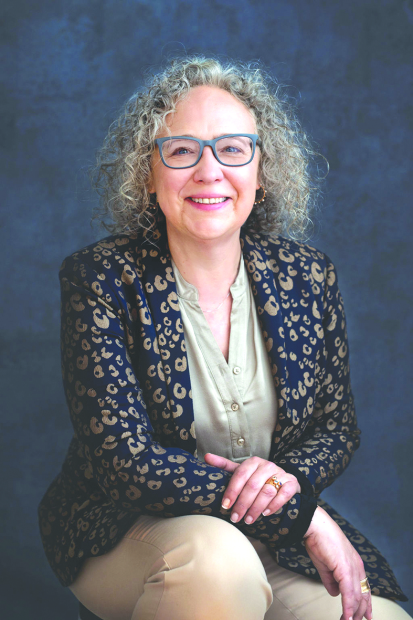
Dr Renard
Sharing more tips that families could follow to ensure ‘normalcy’ in a time of uncertainty, the expert noted that while some might recommend meditation or breathing exercises, these could feel heavy or unnatural in a situation like this.
“Mundane activities that do not need a lot of thinking could be helpful for adults and children and give us a sense of achievement,” she added.
For adults, Dr Renard advised cooking or cleaning. For younger children, baking a cake together, crafts, or even games like Lego or playdough. For the older ones, she recommended regulating gadget time and content consumed, warning against wrong information circulating online.
Prominent psychologist and founder of The Child and Family Foundation Centre Dr Mariam Alammadi shared a post on her Instagram profile, guiding parents how to respond calmly when the sirens go off.
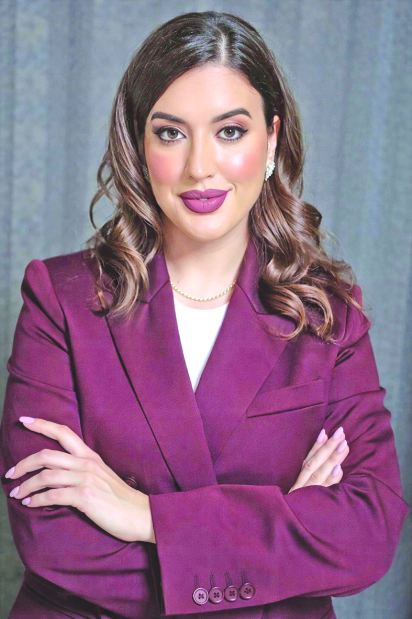
Dr Alammadi
She advised using words like: ‘The siren means we go to our safe room for a little while’ and underpinned the importance of being honest, by saying things like ‘it makes sense to feel scared, and we know what to do’, instead of ‘it is nothing’ or ‘do not be scared’.
melissa@gdnmedia.bh
&uuid=(email))